Why You’re Not Losing Weight Despite Dieting
You eat less, avoid junk food, and still the scale refuses to move. This is one of the most frustrating experiences for anyone trying to lose weight. Dieting alone does not always guarantee results, and many hidden factors can silently block your progress. Understanding these reasons is the first step toward breaking the plateau and achieving real, sustainable weight loss.
Calorie Intake Is Not as Low as You Think
One of the most common reasons people fail to lose weight is inaccurate calorie tracking. Small snacks, cooking oils, sugary drinks, and portion sizes often go unnoticed. Even healthy foods can cause weight gain when eaten in excess. Without realizing it, you may be eating at maintenance calories instead of a deficit. Measuring portions and being honest with food intake can reveal where extra calories are coming from.
Your Metabolism Has Adapted
When you diet for a long time, your body adapts by slowing down metabolism. This is a survival mechanism designed to protect you from starvation. Fewer calories are burned at rest, making weight loss slower. If you have been dieting aggressively, your body may be conserving energy. Strategic calorie cycling, refeed days, and gradual adjustments can help restore metabolic balance.
Protein Intake Is Too Low
Protein plays a major role in fat loss. It supports muscle, controls hunger, and boosts calorie burning through digestion. Many diets focus only on calorie reduction and ignore protein needs. Low protein intake can lead to muscle loss, which further slows metabolism. Including adequate protein in every meal helps preserve lean mass and improves weight loss efficiency.
Stress Is Blocking Fat Loss
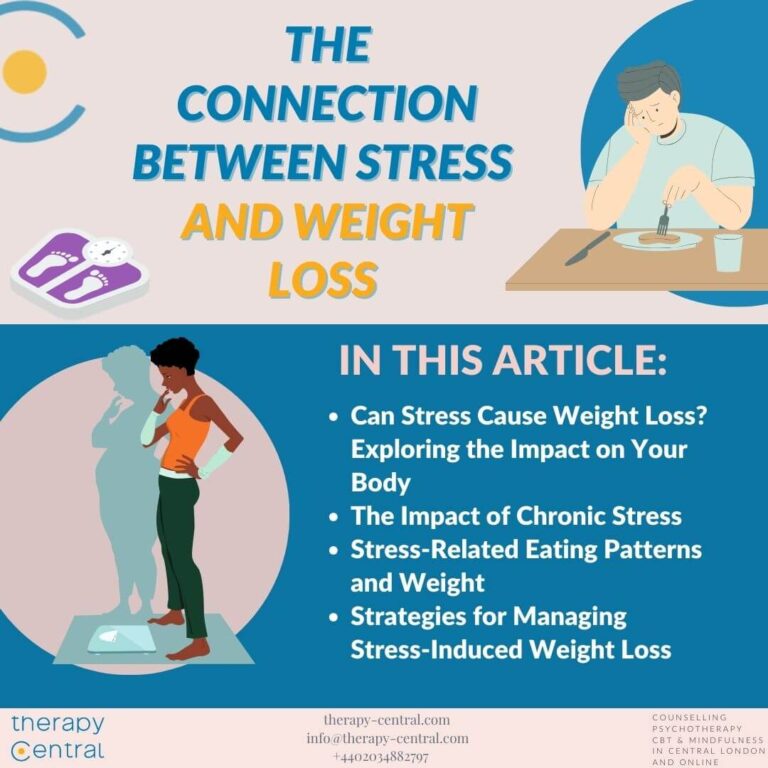
Chronic stress raises cortisol levels, which promotes fat storage, especially around the belly. Even with a perfect diet, high stress can prevent weight loss. Poor sleep, overworking, emotional pressure, and anxiety all contribute to hormonal imbalance. Managing stress through better sleep, breathing exercises, and relaxation techniques is essential for progress.
You Are Not Sleeping Enough
Sleep deprivation directly affects weight loss hormones. Lack of sleep increases hunger hormones and reduces satiety signals. It also lowers insulin sensitivity, making fat loss harder. Many people underestimate the importance of sleep in dieting. Consistent, high quality sleep supports fat burning and appetite control naturally.
Hidden Medical Conditions
Certain medical issues can make weight loss difficult. Thyroid disorders, insulin resistance, and hormonal imbalances can slow fat loss even with dieting. If you are doing everything right and still not losing weight, medical testing may be necessary. Addressing the root cause can unlock progress that diet alone cannot achieve.
Too Much Cardio, Not Enough Strength Training
Excessive cardio combined with low calorie intake can backfire. It increases fatigue and muscle loss, reducing overall calorie burn. Strength training builds muscle, which boosts metabolism and improves body composition. A balanced approach that includes resistance training is more effective than endless cardio sessions.
You Are Losing Fat but Not Seeing Scale Changes
The scale does not always tell the full story. Fat loss and muscle gain can happen at the same time, keeping weight stable. Water retention and hormonal fluctuations also affect scale readings. Progress should be measured using body measurements, clothing fit, and energy levels, not just weight.
Diet Consistency Is Missing
Short periods of strict dieting followed by overeating can cancel progress. Consistency matters more than perfection. Weekend overeating, frequent cheat meals, or emotional eating episodes can slow results. Sustainable habits maintained over time lead to lasting fat loss.
Your Diet Lacks Fiber
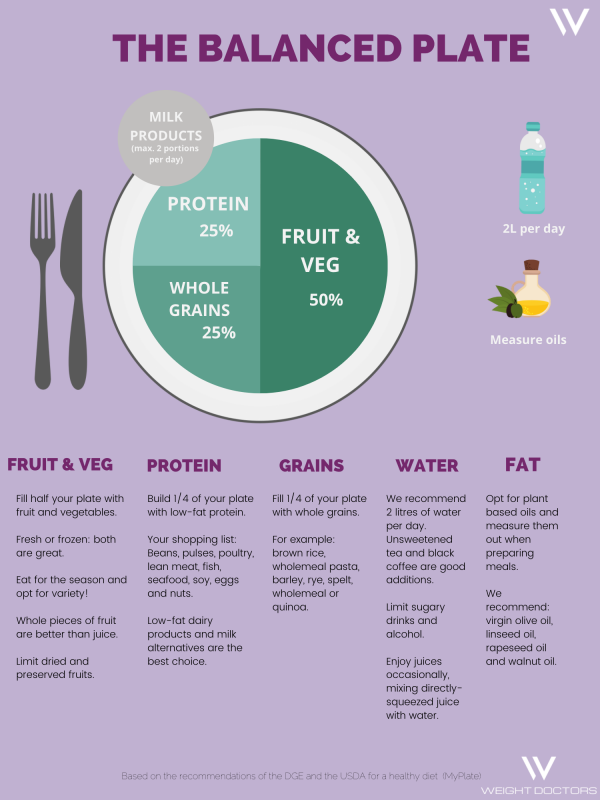
Fiber improves digestion, controls appetite, and stabilizes blood sugar. Low fiber diets cause hunger spikes and overeating. Whole foods like vegetables, fruits, legumes, and whole grains support weight loss better than refined foods. Increasing fiber intake can improve results without reducing calories further.
Expectations Are Unrealistic
Many people expect rapid results and become discouraged too quickly. Healthy weight loss is slow and gradual. Plateaus are normal and temporary. Understanding realistic timelines helps maintain motivation and prevents unnecessary diet changes that disrupt progress.
How to Fix the Problem and Start Losing Weight
To overcome stalled weight loss, focus on accuracy, balance, and patience. Track food honestly, prioritize protein and fiber, manage stress, improve sleep, and include strength training. Avoid extreme calorie cuts and aim for sustainable habits. When your body feels supported rather than deprived, weight loss becomes easier and more consistent.
Long Term Lifestyle Changes That Support Fat Loss
Successful weight loss is built on habits, not short term diets. Small daily choices compound over time and determine results. Eating slowly, staying hydrated, planning meals, and maintaining an active lifestyle outside workouts all contribute to calorie balance. Non exercise movement such as walking, standing, and household activity can significantly increase daily energy burn without stressing the body. Focusing on routine rather than motivation helps maintain consistency during challenging periods.
Mindset also plays a crucial role. Viewing weight loss as a learning process instead of a punishment improves adherence. Set performance goals like improved strength, better sleep, or increased energy instead of only scale targets. These markers reflect real health progress and keep motivation high. When setbacks happen, respond with adjustment rather than guilt. Sustainable fat loss is the result of patience, self awareness, and flexible strategies that adapt to your lifestyle rather than forcing extremes.
Over time, these habits reshape metabolism and behavior naturally. The goal is not temporary weight reduction but lasting health improvement that feels manageable, realistic, and supportive of everyday life without constant struggle or restriction.
With the right approach, progress continues steadily, confidence improves, and weight loss becomes a natural outcome of healthier daily choices over months and years. Consistently.