Why Scale Weight Doesn’t Reflect Real Fat Loss
Stepping on the scale can be one of the most misleading moments in a weight loss journey. You may eat well, exercise consistently, and still see little or no change in the number. This often leads to frustration and self doubt. The truth is simple but important. Scale weight does not always reflect real fat loss, and understanding why can change how you measure progress.
What the Scale Actually Measures
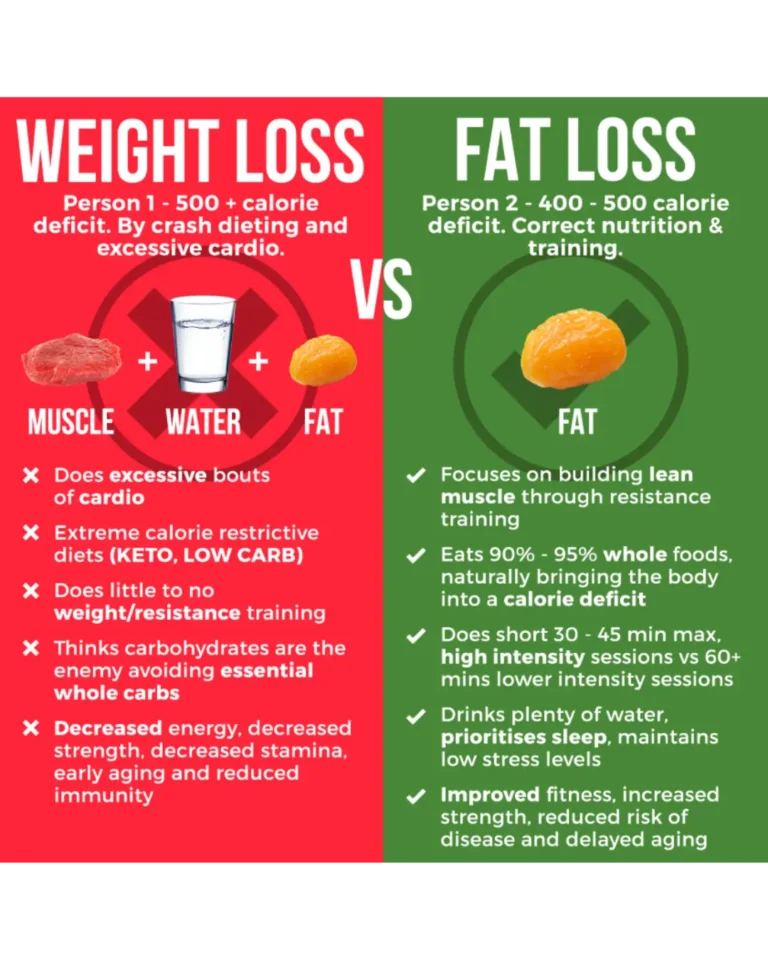
A scale measures total body weight, not body fat. This includes fat, muscle, water, food in your digestive system, and even bone density. Because these components change daily, the scale number constantly fluctuates. Fat loss is only one small part of what the scale shows.
Daily Weight Fluctuations Are Normal
Body weight naturally changes throughout the day. Eating, drinking, sweating, digestion, and hydration levels all affect scale readings. A difference of one to two kilograms in a single day is common and usually has nothing to do with fat gain or loss.
Water Retention Masks Fat Loss
Water retention is one of the biggest reasons the scale stalls. Hormonal changes, salt intake, stress, poor sleep, and muscle soreness cause the body to hold water. Even when you are losing fat, water retention can hide progress for days or weeks.
Muscle Gain Offsets Fat Loss
If you are strength training, you may be gaining muscle while losing fat. Muscle is denser than fat, meaning it weighs more in a smaller space. This can result in little or no change on the scale while your body becomes leaner and more toned.
Fat Loss Is Slow and Gradual
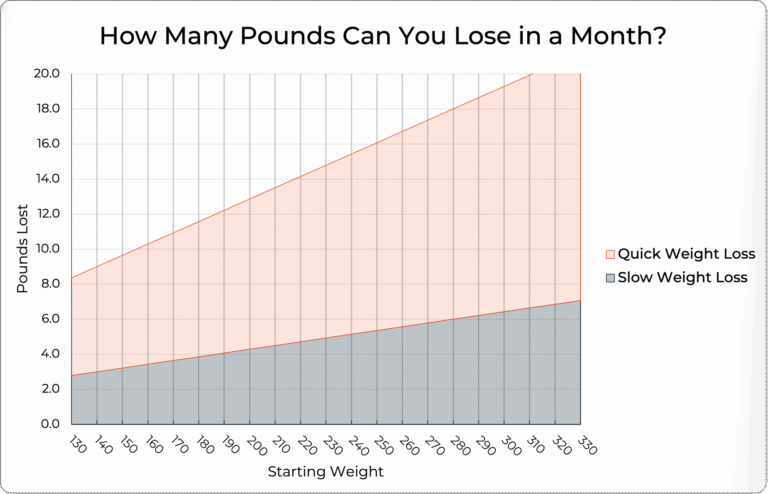
Fat loss happens slowly. The body can safely lose only a small amount of fat per week. Expecting the scale to drop every day sets unrealistic expectations. Real fat loss is visible over weeks, not days.
Glycogen and Scale Changes
Your muscles store carbohydrates as glycogen. Each gram of glycogen holds water. When carbohydrate intake changes, glycogen and water levels shift, causing scale changes. These shifts are temporary and unrelated to fat loss.
Hormones Affect Weight Readings
Hormonal fluctuations strongly influence water balance. Women may see scale increases during certain phases of their cycle. Stress hormones also increase water retention. These changes can mask fat loss even when habits are consistent.
Inflammation From Exercise
Exercise causes muscle inflammation as part of recovery. This inflammation draws water into muscle tissue. After intense workouts, the scale may rise even though fat loss is occurring. This is a positive adaptation, not a setback.
Digestive Contents Influence Weight
Food and waste inside your digestive system add weight. Eating later in the day or consuming high fiber meals can temporarily increase scale weight. This has no connection to fat gain.
Why Focusing Only on the Scale Is Harmful
Obsessing over the scale creates emotional ups and downs. Many people quit or change plans too quickly based on short term fluctuations. This leads to inconsistency and frustration rather than progress.
Better Indicators of Fat Loss
Clothing fit is one of the best indicators of fat loss. Looser waistbands and improved comfort reflect real body changes. Waist and hip measurements also show fat loss more accurately than scale weight.
Progress Photos Tell the Truth
Photos taken over weeks reveal changes the scale cannot. Improved muscle tone, posture, and body shape are clear signs of fat loss. Visual comparison is more reliable than numbers alone.
Strength and Energy Improvements Matter
Increased strength, better endurance, and higher energy levels indicate positive body changes. These improvements often happen before scale changes and reflect better metabolic health.
Tracking Trends Instead of Daily Numbers
Looking at weekly or monthly trends provides a clearer picture. Daily weighing can be misleading. Average weight over time shows true direction better than single readings.
Plateaus Are Often Illusions
What feels like a plateau is often water retention masking fat loss. The body may hold water while adjusting. Eventually, water releases and the scale drops suddenly. This is commonly known as a whoosh effect.
Diet Changes Can Affect the Scale
Increasing fiber, protein, or vegetables can temporarily increase weight due to digestion and water retention. These are healthy changes that support fat loss, even if the scale reacts negatively at first.
Stress and Sleep Influence the Scale
High stress and poor sleep increase cortisol, leading to water retention. Even with perfect eating, stress can hide fat loss. Improving sleep and relaxation stabilizes scale readings.
Why Comparing Yourself to Others Fails
Everyone’s body responds differently. Some lose water quickly, others retain it. Comparing scale progress creates unnecessary disappointment. Your journey is unique and should be judged by your own trends.
How to Use the Scale Correctly
Use the scale as one tool, not the main judge. Weigh at the same time under similar conditions. Focus on long term patterns instead of daily results. Combine scale data with other progress markers.
Long Term Perspective on Fat Loss
Fat loss is a slow, quiet process. The scale often reacts last. Patience and consistency allow real changes to accumulate. Trusting habits over numbers leads to better results.
Final Thoughts
The scale does not tell the full story of fat loss. It reflects many factors beyond fat, including water, muscle, and digestion. Judging progress only by scale weight leads to frustration and poor decisions. Focus on trends, measurements, strength, and how you feel. When you understand what the scale can and cannot show, weight loss becomes calmer, clearer, and far more sustainable.