Water Weight vs Fat Loss: Know the Difference
Many people feel confused when the scale suddenly drops or rises within a few days. One day you feel motivated, the next day discouraged, even though nothing changed. This confusion happens because not all weight loss is fat loss. Understanding the difference between water weight and fat loss helps you judge progress correctly and avoid unnecessary frustration.
What Is Water Weight
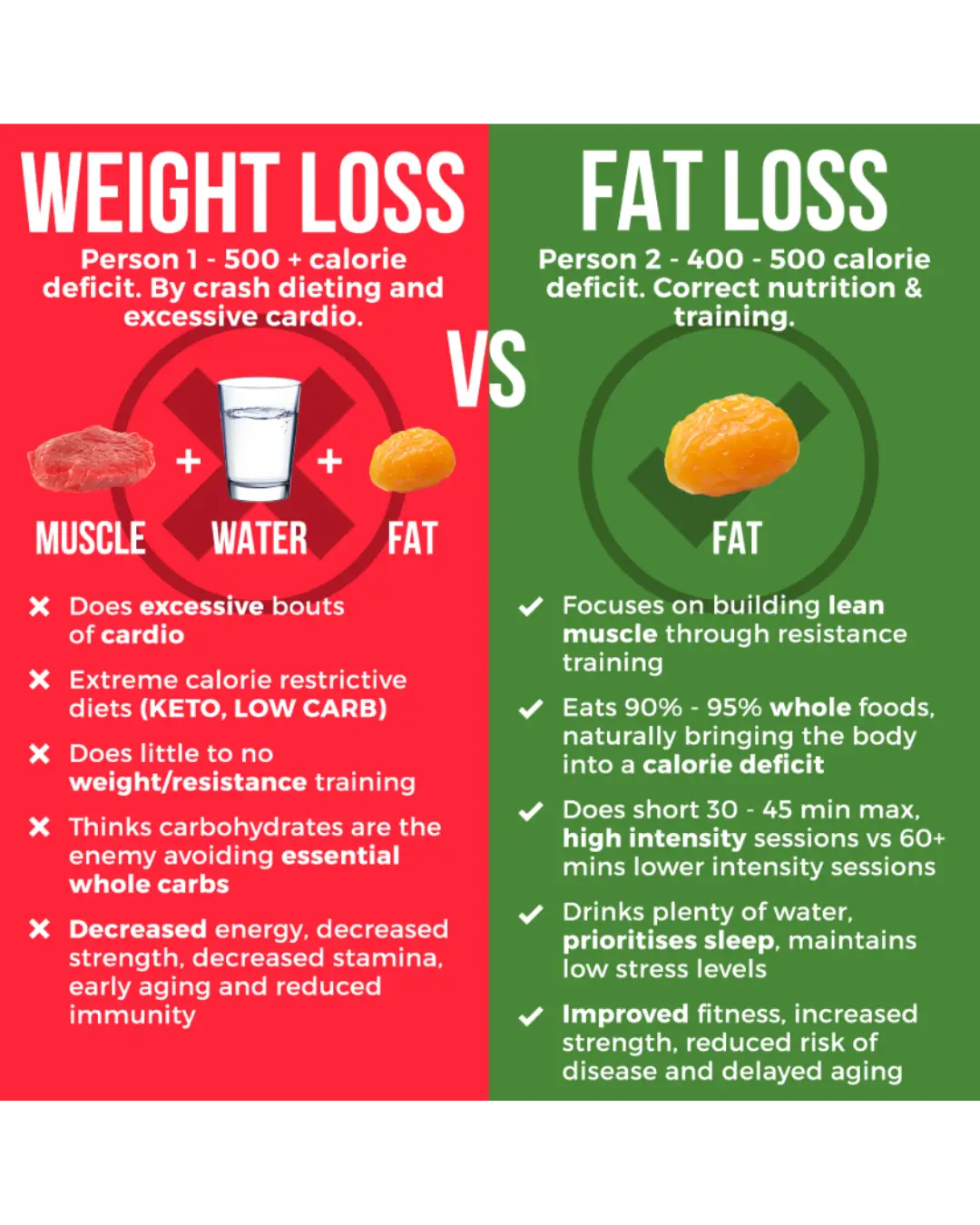
Water weight refers to excess fluid stored in the body. Your body holds water in muscles, organs, and under the skin. Changes in diet, salt intake, hormones, and carbohydrates can cause rapid shifts in water weight. These changes can happen within hours or days and do not reflect real fat loss.
What Is Fat Loss
Fat loss occurs when your body uses stored fat for energy. This process is slow and gradual. Fat loss requires a consistent calorie deficit over time. Unlike water weight, fat loss does not fluctuate daily and cannot happen overnight. It reflects real changes in body composition.
Why the Scale Drops Quickly at First
When people start dieting, the scale often drops fast in the first week. This is mostly water weight. Reducing carbohydrates lowers glycogen stores, which release water from muscles. Salt reduction also decreases fluid retention. This early drop is motivating but should not be mistaken for fat loss.
Why the Scale Suddenly Goes Up
A sudden increase on the scale does not always mean fat gain. Eating salty food, hormonal changes, stress, poor sleep, or muscle soreness can increase water retention. One day of overeating cannot create significant fat gain, but it can cause temporary water weight.
How Long Fat Loss Takes
Fat loss requires time and consistency. On average, the body can safely lose about half to one kilogram of fat per week. This slow pace is normal and healthy. Any weight change faster than this is usually water, not fat.
Role of Carbohydrates in Water Weight
Carbohydrates store water in the body. Each gram of stored carbohydrate holds several grams of water. When you eat fewer carbohydrates, water weight decreases. When you eat more, water returns. This is why low carb diets cause rapid initial weight loss.
Salt and Fluid Retention
High salt intake causes the body to retain water to maintain balance. After salty meals, weight may increase temporarily. Drinking water and returning to normal eating helps flush excess sodium and water naturally.
Hormones and Water Retention
Hormonal fluctuations strongly affect water weight. Women may retain more water during certain phases of the menstrual cycle. Stress hormones also increase water retention. These changes are temporary and unrelated to fat gain.
Exercise and Water Weight
Exercise can increase water weight short term. Muscle repair causes inflammation and fluid retention. This can hide fat loss on the scale for several days. This is a positive adaptation, not a setback.
Why Chasing Scale Drops Is a Mistake
Focusing only on scale weight leads to emotional ups and downs. People often make unnecessary diet changes based on water fluctuations. This creates inconsistency and frustration. Understanding weight trends instead of daily numbers prevents this cycle.
How to Identify Real Fat Loss
Real fat loss shows up through consistent downward trends over weeks. Waist size reduces, clothes fit better, and body shape changes. Energy levels improve and movement feels easier. These signs matter more than daily scale changes.
Best Ways to Track Progress
Use multiple indicators to track progress. Measure waist and hip circumference weekly. Take progress photos every few weeks. Notice strength, endurance, and daily energy. These markers reflect true fat loss better than scale weight alone.
Why Plateaus Are Normal
Weight plateaus often happen when water retention masks fat loss. The body may hold water while adjusting to fat loss. After a few days or weeks, water releases and the scale drops suddenly. This is called a whoosh effect.
Diet Changes That Affect Water Weight
Increasing fiber can temporarily increase water weight due to digestion. Eating new foods can cause bloating. These effects are temporary and do not mean fat gain. Consistency allows the body to adapt.
Stress and Water Retention
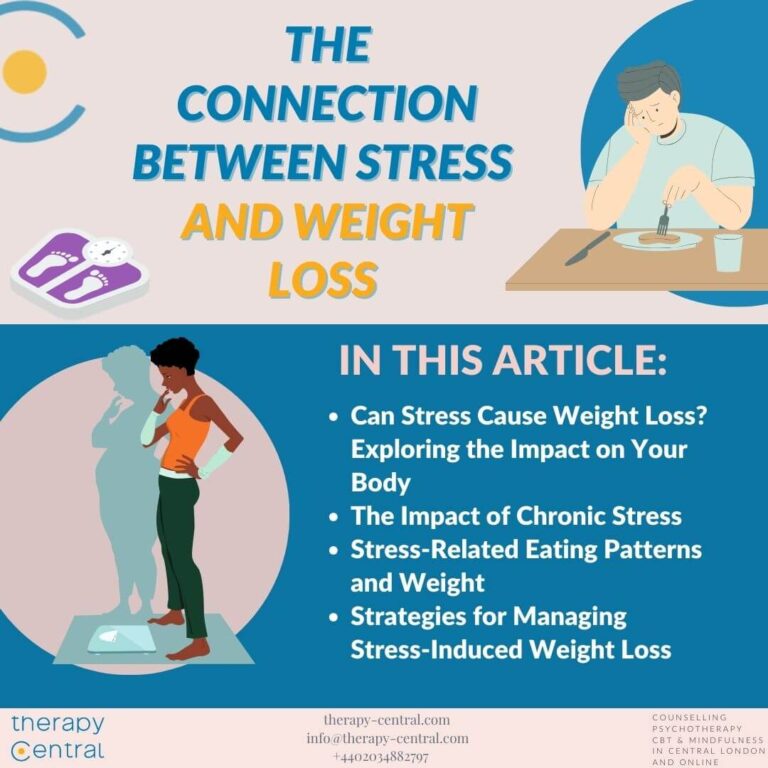
High stress raises cortisol, which increases water retention. Even with perfect dieting, stress can hide fat loss. Managing stress improves both water balance and fat loss results.
Sleep and Fluid Balance
Poor sleep disrupts hormone balance and increases water retention. Consistent sleep supports normal fluid regulation and improves scale stability.
Common Misunderstandings About Weight Changes
Many people believe a single bad meal ruins progress. In reality, fat gain requires consistent overeating over time. Short term scale increases are almost always water weight, not fat.
How to Stay Motivated During Fluctuations
Focus on habits instead of numbers. Trust the process and give changes time. Avoid daily weighing if it affects your mindset. Weekly averages give a clearer picture.
Long Term Perspective on Weight Loss
Weight loss is not linear. It includes ups and downs caused by water balance. Fat loss happens quietly in the background. Patience and consistency allow results to reveal themselves over time.
Final Thoughts
Knowing the difference between water weight and fat loss protects your motivation. Water weight changes quickly and unpredictably. Fat loss is slow but meaningful. Judge progress by trends, not daily numbers. When you stop reacting emotionally to scale fluctuations, weight loss becomes calmer, more sustainable, and far more successful in the long run.