How Much Weight You Can Lose in 30 Days Safely
Many people start a weight loss journey with one urgent question in mind. How much weight can I lose in thirty days. The internet is full of extreme promises, but safe and realistic weight loss follows biological rules. Understanding what is possible in one month helps you avoid frustration, health risks, and rebound weight gain.
What Safe Weight Loss Really Means
Safe weight loss means losing fat without harming your metabolism, hormones, or mental health. It focuses on preserving muscle, maintaining energy, and supporting long term consistency. Rapid weight loss may look impressive on the scale, but it often includes water and muscle loss rather than fat.
The General Safe Weight Loss Range
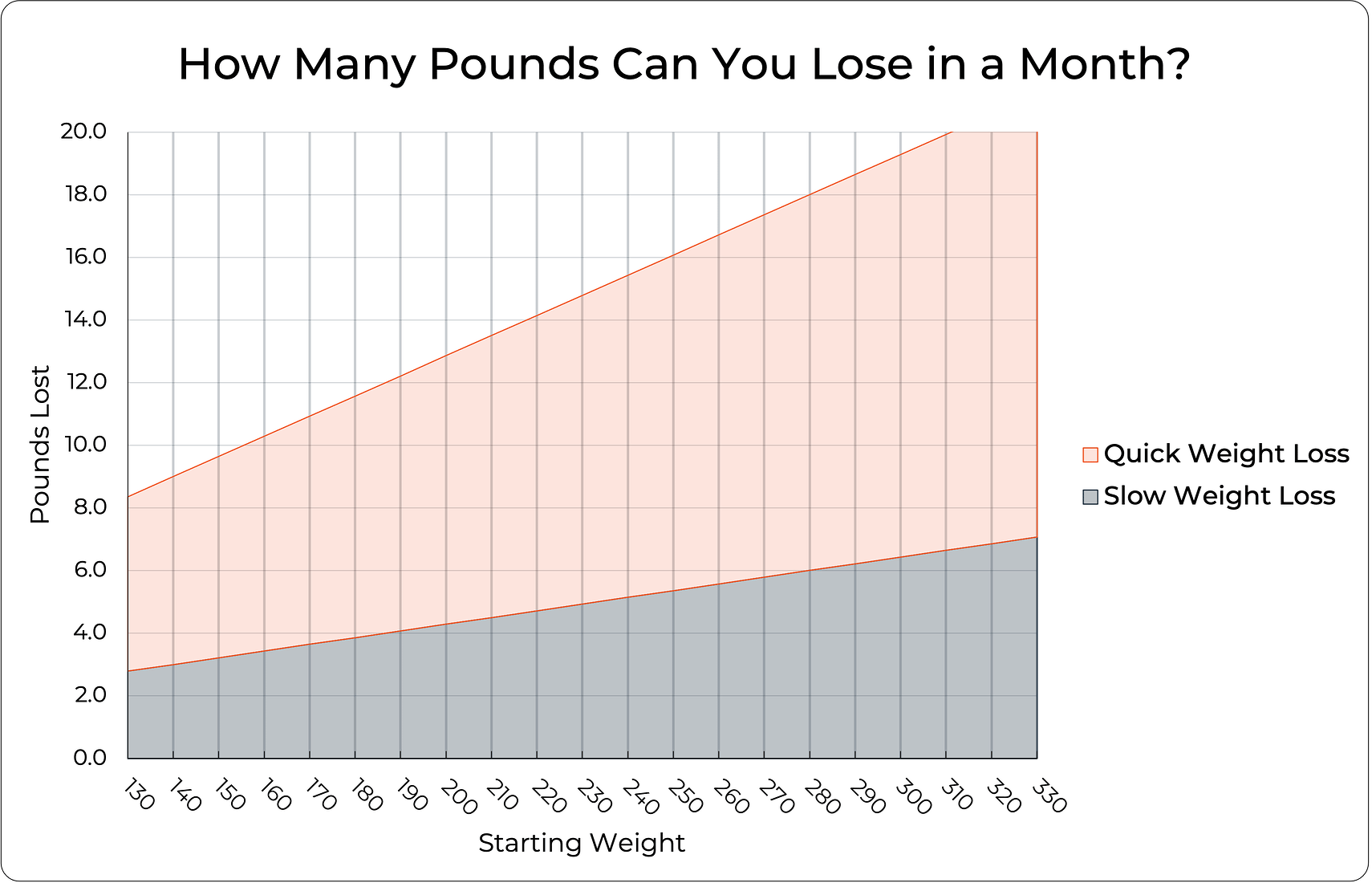
For most people, a safe and sustainable rate of weight loss is half a kilogram to one kilogram per week. Over thirty days, this equals two to four kilograms. This range allows your body to adapt without triggering survival responses that slow metabolism or increase cravings.
Why Faster Weight Loss Is Risky
Losing weight too quickly usually requires extreme calorie restriction. This leads to muscle loss, nutrient deficiencies, fatigue, and hormonal imbalance. Rapid loss also increases cortisol, which promotes fat regain. Many people who lose weight quickly gain it back even faster.
Fat Loss vs Water Weight
In the first week of dieting, most weight loss comes from water. Reduced carbohydrates lower stored glycogen, which releases water. This creates a dramatic drop on the scale but is not true fat loss. Real fat loss happens gradually and steadily after this initial phase.
Factors That Affect Monthly Weight Loss
Weight loss speed varies based on starting weight, age, gender, activity level, sleep quality, stress, and medical conditions. Heavier individuals may lose slightly more weight initially. People with consistent routines and balanced diets see better results than those relying on extremes.
Calorie Deficit and Realistic Expectations
One kilogram of fat equals roughly seven thousand seven hundred calories. To lose four kilograms in a month, you need a consistent calorie deficit spread across weeks. This is achieved through moderate eating adjustments and movement, not starvation.
Role of Diet Quality
What you eat matters as much as how much you eat. High protein, fiber rich foods support fat loss while preserving muscle. Highly processed foods increase hunger and make deficits harder to maintain. A clean but flexible diet supports sustainable progress.
Exercise and Monthly Weight Loss
Exercise enhances fat loss but should not be used as punishment. Strength training preserves muscle and boosts metabolism. Light cardio increases calorie burn without stressing the body. Combining both improves body composition even if scale changes are slow.
Why the Scale Can Be Misleading
Daily weight fluctuates due to water, hormones, and digestion. During a month, fat loss may be hidden by temporary water retention. Waist measurements, photos, energy levels, and strength are better indicators of real progress.
Weight Loss for Beginners vs Experienced Dieters
Beginners often lose weight faster initially because their body responds quickly to new habits. Experienced dieters may lose weight slower due to metabolic adaptation. This does not mean failure, only that expectations must adjust.
Gender Differences in Weight Loss
Men often lose weight faster due to higher muscle mass and testosterone levels. Women experience hormonal fluctuations that affect water retention and fat loss. Comparing results between genders leads to unnecessary frustration.
Age and Monthly Weight Loss
Younger individuals may lose weight slightly faster due to higher metabolic rates. After thirty, muscle loss and hormonal shifts slow progress. However, consistent habits still produce steady fat loss at any age.
The Importance of Sleep and Stress
Poor sleep and chronic stress reduce fat loss regardless of calorie intake. High cortisol encourages fat storage. Prioritizing sleep and stress management can improve monthly results without changing diet.
Healthy Habits That Improve Results
Drinking enough water, eating slowly, planning meals, walking daily, and maintaining regular sleep times all support calorie control. These habits may seem small but significantly affect results over thirty days.
What a Successful 30 Days Looks Like
A successful month is not just about numbers. Improved energy, better digestion, reduced cravings, and looser clothing are signs of progress. These changes indicate real fat loss even if the scale moves slowly.
Common Mistakes People Make
Many people expect unrealistic results, change plans too often, or quit too early. Others restrict too much, leading to binge cycles. Consistency beats intensity when measuring monthly progress.
Setting the Right 30 Day Goal
Instead of chasing extreme numbers, aim for two to four kilograms of fat loss. Focus on building habits that can continue beyond thirty days. Weight loss is not a race, it is a process.
Long Term View Beyond One Month
Thirty days is only the beginning. The goal is not to lose weight fast, but to lose it permanently. Sustainable habits formed in the first month determine success over the next year.
Final Thoughts
Safely, most people can lose two to four kilograms in thirty days. This may not sound dramatic, but it is real, healthy fat loss. When expectations match biology, frustration disappears. Focus on consistency, balanced eating, movement, and recovery. When you respect your body’s limits, weight loss becomes steady, predictable, and sustainable far beyond the first month.