Hair Loss From Hard Water: Signs and Solutions
Many people experience hair fall even after using good products and maintaining a healthy routine. One hidden cause that often goes unnoticed is hard water. If you have recently moved to a new area or noticed changes in hair texture, hard water could be silently damaging your hair and scalp. Understanding how hard water affects hair and what you can do about it can help reduce hair loss effectively.
What Is Hard Water
Hard water contains high levels of minerals, mainly calcium and magnesium. These minerals are not harmful to health but can cause problems for skin and hair. When hard water comes in contact with hair, minerals deposit on the scalp and hair strands, creating buildup over time.
How Hard Water Affects Hair
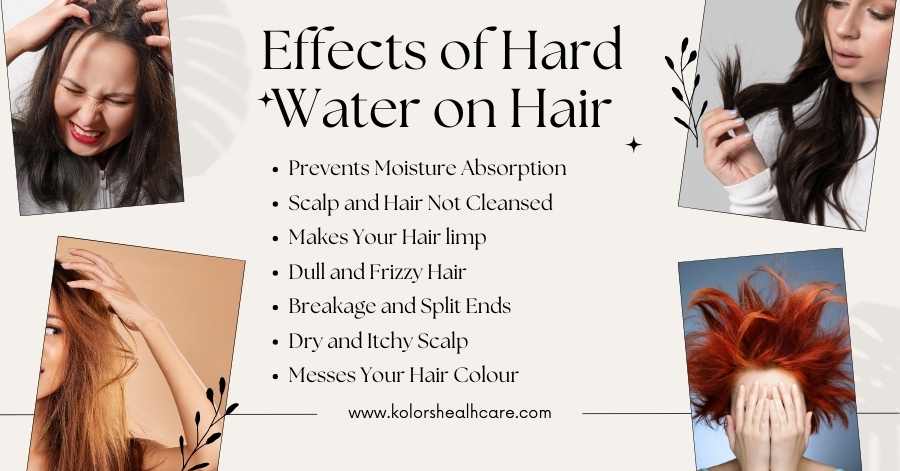
Hard water forms a layer of mineral residue on the hair shaft. This layer blocks moisture from entering the hair and makes strands dry, rough, and brittle. It also prevents shampoos and conditioners from working properly, reducing their effectiveness.
Hard Water and Scalp Health
Mineral buildup from hard water clogs hair follicles and irritates the scalp. This can cause itching, dryness, and flaking. An unhealthy scalp environment weakens hair roots and increases shedding over time.
Signs Your Hair Loss Is Due to Hard Water
Common signs include increased hair fall, rough texture, dull appearance, dryness, frizz, and scalp irritation. Hair may feel sticky or coated even after washing. You may also notice dandruff or itching that does not improve with regular products.
Why Hard Water Causes Hair Breakage
Hard water strips natural oils from the hair while leaving mineral deposits behind. This imbalance weakens the hair cuticle, making strands prone to breakage. Hair snaps easily during combing or styling, creating the illusion of hair loss.
Impact on Hair Growth
Although hard water does not stop hair growth at the root, it weakens strands so much that length cannot be retained. Hair breaks faster than it grows, leading to thinning and poor length retention.
How Hard Water Affects Different Hair Types
Curly and dry hair types are more affected by hard water due to lower natural oil distribution. Fine hair becomes limp and flat due to mineral coating. Oily scalp with hard water worsens buildup and follicle blockage.
Shampoo and Hard Water Interaction
Hard water reacts with shampoo, reducing lather and cleansing ability. This causes product buildup on the scalp. Over time, residue suffocates follicles and worsens hair fall.
Conditioner Ineffectiveness
Conditioners struggle to penetrate mineral coated hair. Instead of smoothing, they sit on top of strands, making hair heavy without providing moisture. This leads to dryness and breakage.
How to Confirm Hard Water Exposure
Signs like soap scum on bathroom surfaces, dry skin after bathing, and poor lather indicate hard water. Hair issues combined with these signs strongly suggest hard water as a contributing factor.
Solutions to Reduce Hard Water Hair Damage
Installing a shower filter is one of the most effective solutions. Filters reduce mineral content and improve water quality. This immediately improves hair texture and scalp comfort.
Use Chelating or Clarifying Shampoos
Chelating shampoos remove mineral buildup from hair. Using them once or twice a month helps reset hair condition. Overuse should be avoided to prevent excessive dryness.
Apple Cider Vinegar Rinse
An apple cider vinegar rinse helps dissolve mineral deposits and restore hair pH. It improves shine and softness when used occasionally. Always dilute properly to avoid scalp irritation.
Improve Moisture Routine
Hard water dries hair, so extra moisture is essential. Deep conditioning and leave in products help restore hydration. Focus on sealing moisture to reduce breakage.
Protect Hair From Excess Exposure
Avoid washing hair daily if hard water is present. Frequent exposure increases mineral buildup. Cover hair during bathing when not washing to reduce contact.
Diet and Internal Hydration
Proper hydration supports scalp health from within. Drinking enough water and consuming healthy fats improve hair resilience against external damage.
Avoid Heat Styling on Hard Water Damaged Hair
Heat styling worsens dryness caused by hard water. Mineral coated hair burns faster and breaks easily. Reducing heat use helps prevent further damage.
How Long It Takes to See Improvement
After reducing hard water exposure, hair texture improves within weeks. Reduced shedding and better manageability appear gradually. Full recovery takes consistent care over several months.
Common Mistakes People Make
Many people switch products repeatedly instead of addressing water quality. Others overuse harsh shampoos, worsening dryness. Fixing the root cause is more effective than product hopping.
When to Seek Professional Help
If hair fall continues despite changes, consult a professional. Scalp conditions or other causes may coexist with hard water damage.
Final Thoughts
Hard water is a hidden but powerful cause of hair damage and hair loss. Mineral buildup weakens strands, irritates the scalp, and blocks healthy growth. By improving water quality, adjusting hair care routines, and focusing on moisture, you can protect your hair and reduce shedding effectively. Healthy hair begins with a clean scalp and balanced environment.