Best Hairstyles That Reduce Hair Breakage
Hair breakage is one of the biggest reasons people struggle with thinning hair and poor length retention. In many cases, hair is growing from the scalp, but it breaks faster than it grows. One major factor behind this problem is hairstyle choice. Certain hairstyles protect hair strands, while others cause constant tension and damage. Choosing the right hairstyles can significantly reduce breakage and improve overall hair health.
Why Hairstyles Affect Hair Breakage
Hair is weakest when it is wet, stretched, or under constant tension. Tight styles pull on the roots and strain the hair shaft. Repeated stress weakens strands, leading to breakage around the hairline and ends. Protective hairstyles reduce friction, tension, and manipulation, allowing hair to grow stronger.
Loose Braids for Daily Protection
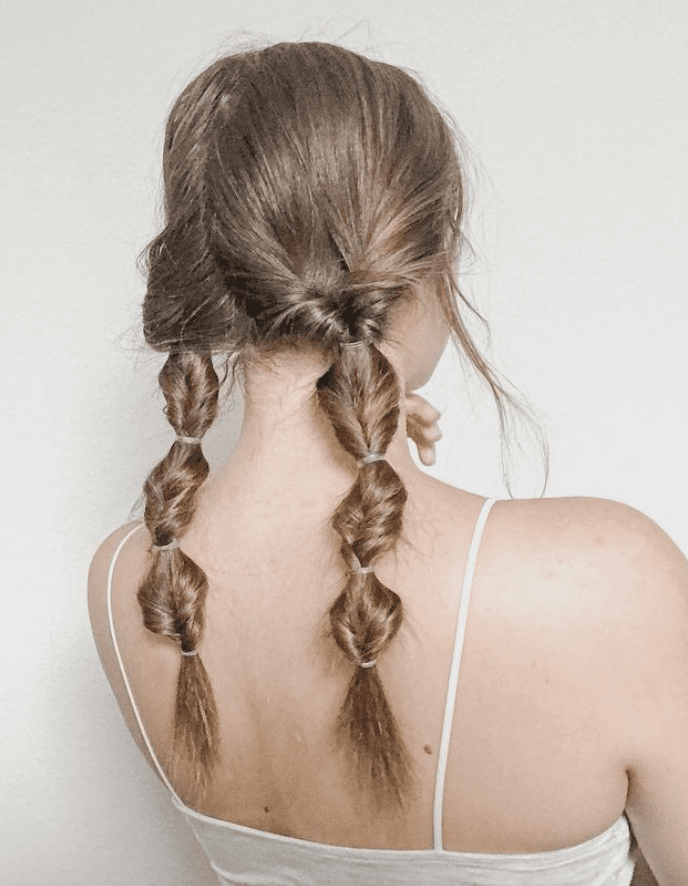
Loose braids are one of the best hairstyles for reducing breakage. They keep hair contained without excessive pulling. Braids prevent tangling and reduce friction against clothing. Loose braids are especially helpful for long hair and during sleep.
Low Ponytails Reduce Tension
High ponytails pull hair tightly from the scalp, causing breakage near the roots. Low ponytails place less tension on the hairline and scalp. Using soft fabric hair ties instead of elastic bands further reduces damage.
Buns That Protect Hair Ends
Low buns help tuck away hair ends, which are the weakest part of the strand. Keeping ends protected reduces split ends and breakage. Avoid tight buns and excessive twisting, as these create stress points that weaken hair over time.
Protective Twists for Fragile Hair
Twists are gentle styles that minimize manipulation. They reduce friction and keep hair strands aligned. Twists are especially beneficial for dry, curly, or textured hair that breaks easily. Keeping twists loose ensures scalp comfort and hair health.
Half Up Hairstyles for Balance
Half up styles reduce tension while keeping hair manageable. They allow some hair to remain loose, reducing pulling at the scalp. This style works well for people who want control without full tension on all strands.
Loose Updos for Special Occasions
Loose updos provide elegance without damage. Unlike tight formal styles, loose updos avoid excessive pulling and pinning. Choosing soft, flexible pins reduces breakage during styling and removal.
Natural Hair Styles With Minimal Manipulation
Leaving hair in its natural texture reduces breakage caused by heat and chemical styling. Natural styles require less daily manipulation, allowing strands to retain strength. Accepting natural patterns helps reduce unnecessary stress on hair.
Hairstyles That Reduce Friction During Sleep
Night time friction causes significant breakage. Loose braids, low buns, or pineapple styles protect hair while sleeping. Using satin or silk pillowcases further reduces friction and moisture loss.
Hairstyles for Fine Hair Types
Fine hair breaks easily under tension. Soft styles like loose braids, low ponytails, and open hair with minimal styling work best. Avoid tight styles and heavy accessories that pull on delicate strands.
Hairstyles for Curly and Textured Hair
Curly hair is prone to dryness and breakage. Protective styles like twists, loose braids, and low buns help retain moisture. Stretching hair gently through protective styles reduces tangling and snapping.
Avoiding Tight Hairstyles That Cause Damage
Styles like tight ponytails, high buns, cornrows, and slick back looks cause tension at the roots. Over time, this leads to hairline thinning and breakage known as traction damage. Reducing frequency of these styles protects long term hair health.
Accessories That Prevent Breakage
Hair accessories matter as much as styles. Fabric covered bands, scrunchies, and claw clips reduce friction. Avoid rubber bands, metal clips, and tight elastics that cut into hair strands.
Rotating Hairstyles for Hair Health
Wearing the same hairstyle daily stresses the same areas repeatedly. Rotating styles changes tension points and reduces localized breakage. Variety allows hair to recover and remain strong.
Hairstyles That Support Length Retention
Length retention depends on protecting hair ends. Styles that tuck ends away, reduce friction, and minimize handling support long hair growth. Protective styles are essential for anyone aiming to grow longer hair.
How Styling Technique Matters
Even healthy styles can cause breakage if done roughly. Gentle detangling, slow styling, and minimal pulling are crucial. Styling should never cause pain or scalp discomfort.
Managing Hair During Workouts
Hair breakage often increases during exercise due to sweat and friction. Loose braids or low ponytails keep hair secure without tension. Avoid tight styles that pull when hair is wet with sweat.
Styling Wet Hair Safely
Wet hair is more elastic and fragile. Avoid tight styles when hair is wet. Allow hair to partially dry before styling to reduce breakage risk.
Combining Hairstyles With Proper Hair Care
Protective hairstyles work best with proper hair care. Moisturizing regularly and sealing ends prevent dryness. Healthy hair withstands styling stress better than dry, brittle hair.
Common Hairstyling Mistakes
Styling hair too tightly, too often, or with rough accessories causes cumulative damage. Ignoring scalp pain or tension is a sign of harmful styling habits. Comfort should always guide hairstyle choice.
Long Term Benefits of Breakage Reducing Hairstyles
Choosing gentle hairstyles consistently improves hair thickness, strength, and length over time. Reduced breakage leads to fuller looking hair and better growth retention. Small changes in styling habits create long lasting improvements.
Final Thoughts
Hairstyles play a major role in hair breakage and length retention. Gentle, low tension styles protect strands and support healthy growth. By choosing loose, protective hairstyles and avoiding constant tension, you give your hair the chance to grow stronger and longer naturally. Healthy styling is not about trends, but about preserving the hair you already have.