Hair Growth After Weight Loss: What to Expect
Losing weight can improve health, confidence, and energy, but many people are surprised when hair fall increases during or after weight loss. This can be alarming, especially after working hard to improve overall wellbeing. The good news is that hair changes after weight loss are usually temporary and reversible. Understanding what happens to hair during weight loss helps you respond correctly and support healthy regrowth.
Why Hair Fall Happens After Weight Loss
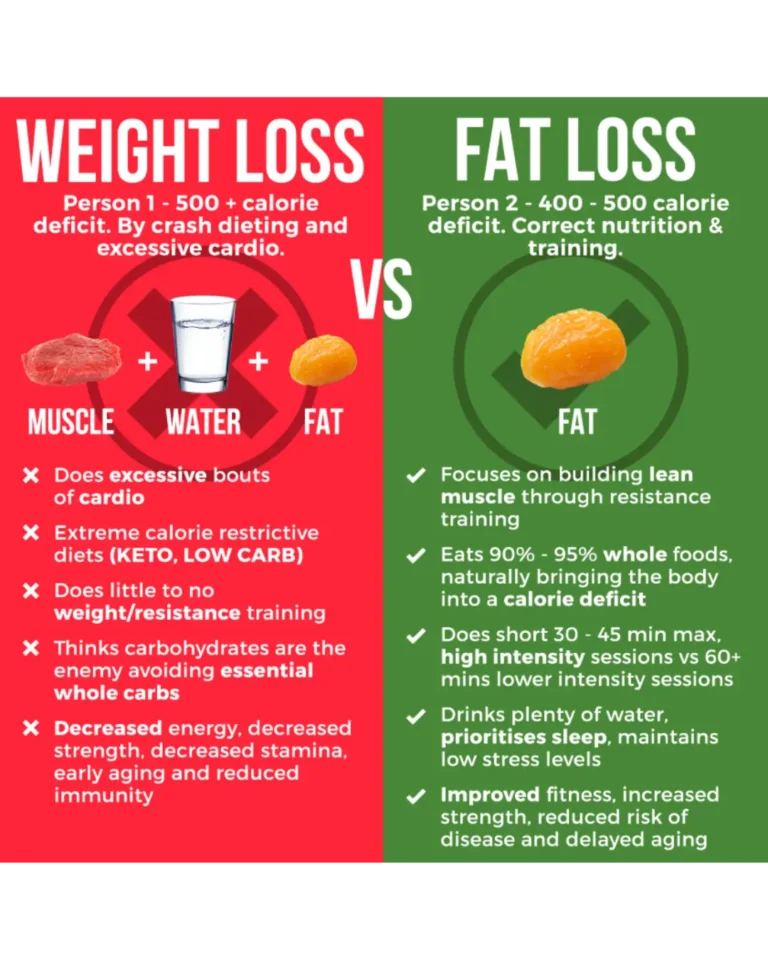
Rapid or significant weight loss puts stress on the body. When calories drop suddenly, the body shifts into survival mode and prioritizes vital organs over hair. Hair follicles temporarily receive fewer nutrients, which can trigger increased shedding. This response is protective, not permanent damage.
Telogen Effluvium and Weight Loss
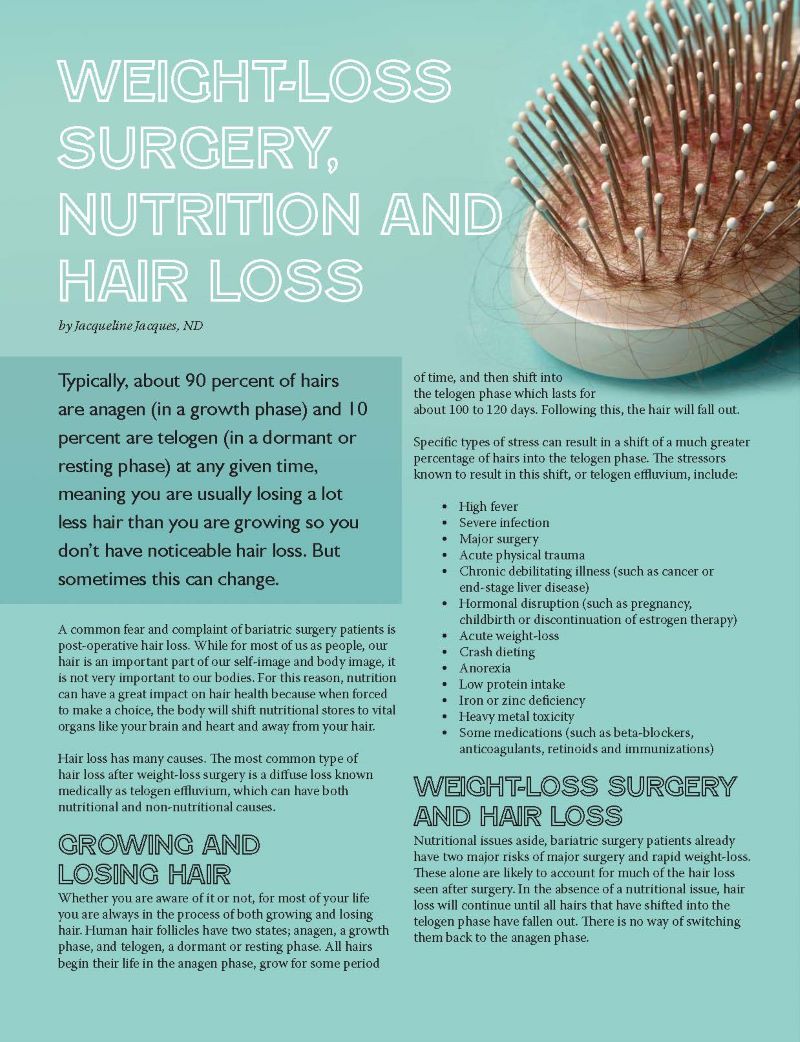
The most common type of hair loss after weight loss is telogen effluvium. This condition occurs when many hair follicles enter the resting phase at the same time. Shedding usually starts two to three months after weight loss begins, not immediately, which often confuses people.
Rapid Weight Loss Increases Risk
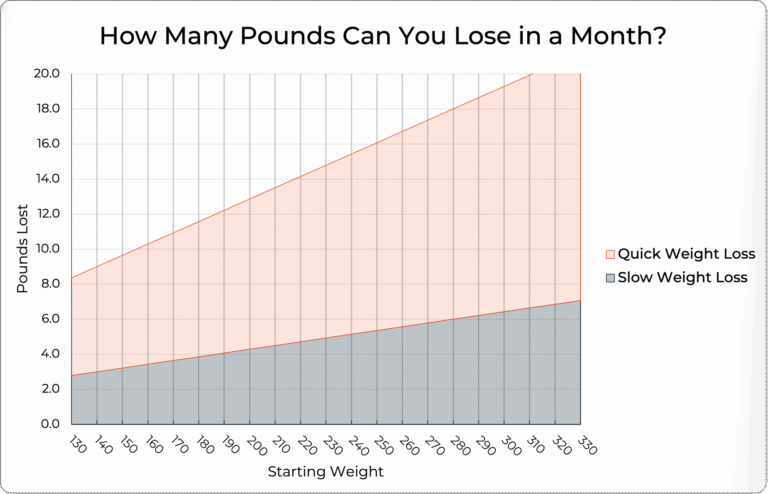
Fast weight loss from crash diets, extreme calorie restriction, or illness increases hair shedding risk. The faster the body loses weight, the stronger the stress response. Gradual weight loss is far less likely to trigger noticeable hair fall.
Calorie Deficit and Hair Follicles
Hair follicles need energy to produce hair. When calorie intake is too low, follicles pause growth to conserve energy. This does not destroy follicles, but it temporarily slows or stops production, leading to shedding.
Protein Deficiency and Hair Loss
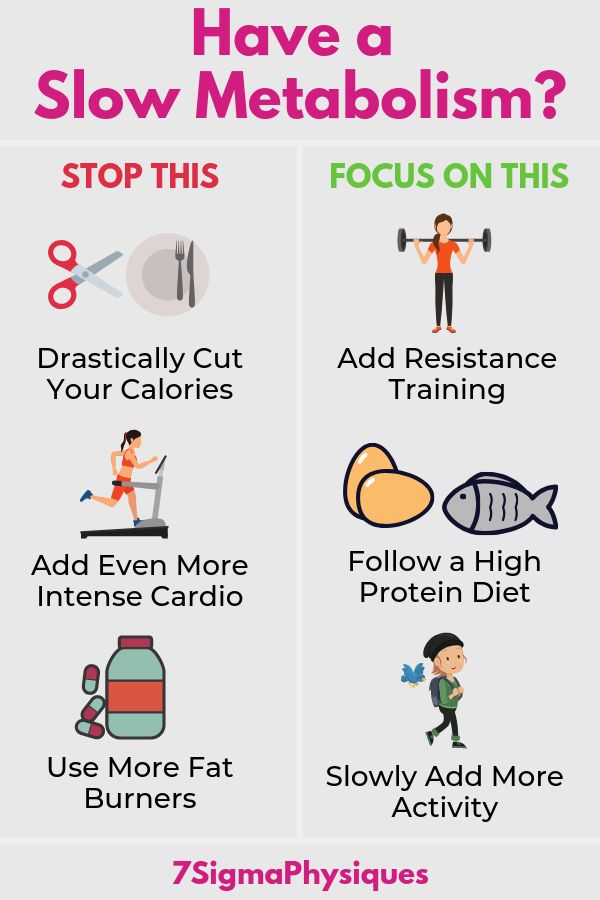
Protein is essential for hair structure. During weight loss, many people reduce protein unintentionally. Low protein intake weakens hair strands and increases shedding. Adequate protein helps preserve hair strength during fat loss.
Vitamin and Mineral Deficiencies
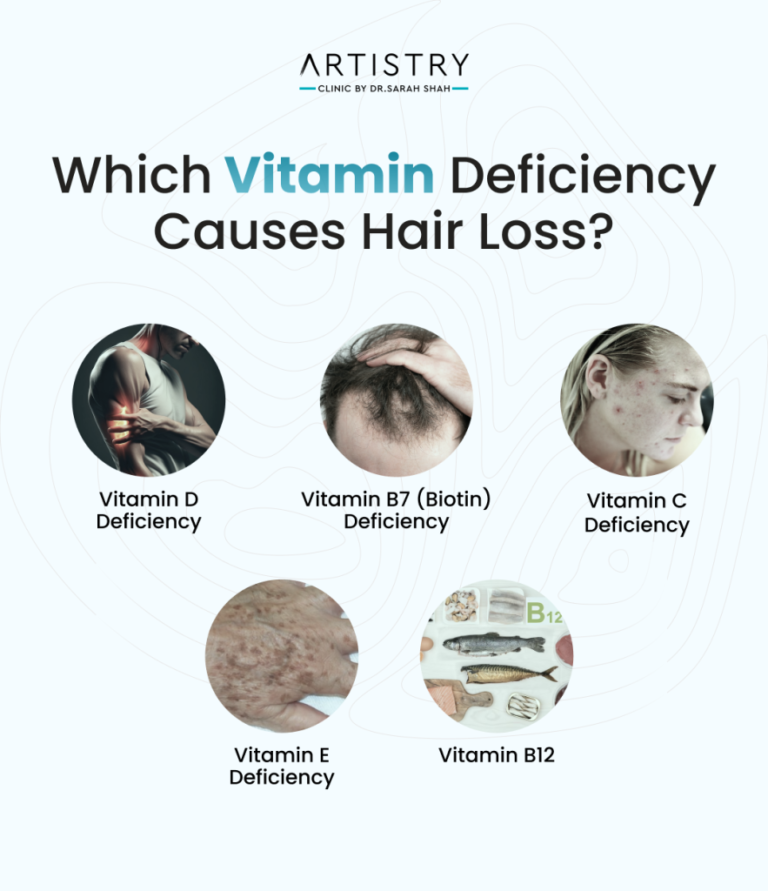
Weight loss diets often lack iron, zinc, vitamin D, and B vitamins. These nutrients are critical for hair growth. Deficiencies worsen hair fall and delay regrowth. Hair reflects nutritional status quickly, making it sensitive to diet quality.
Hormonal Changes During Weight Loss
Weight loss affects hormones such as cortisol, thyroid hormones, and insulin. Hormonal shifts can push hair into the resting phase. These changes usually stabilize once weight and eating patterns normalize.
Stress Plays a Major Role
Weight loss can be physically and mentally stressful. Stress hormones disrupt the hair growth cycle and increase shedding. Emotional stress combined with dietary restriction increases hair fall risk further.
What Hair Loss After Weight Loss Looks Like
Shedding is usually diffuse, meaning hair falls evenly from all areas rather than forming patches. Hair may come out during washing, brushing, or styling. The scalp usually looks normal without redness or pain.
When Hair Loss Starts and Stops
Shedding often begins a few months after weight loss starts and can last several weeks to a few months. Once the body adapts and nutrients improve, shedding slows naturally. New growth follows gradually.
Hair Regrowth Timeline
Reduced shedding is often the first sign of recovery. New hair growth may appear as short, fine hairs around the hairline or crown after three to six months. Visible improvement in volume takes time and patience.
Will Hair Grow Back Fully
In most cases, yes. Hair loss caused by weight loss is usually temporary. Once nutrition, calories, and stress levels stabilize, follicles return to normal growth. Permanent hair loss is rare unless other conditions are present.
How to Support Hair Growth After Weight Loss
Focus on nourishing your body rather than further restriction. Eat balanced meals with adequate calories. Include protein in every meal to support hair structure and growth.
Importance of Nutrient Dense Foods
Whole foods provide the vitamins and minerals hair needs. Fruits, vegetables, lean proteins, whole grains, nuts, and seeds support follicle recovery. Consistent nutrition is more effective than short term supplements.
Should You Take Supplements
Supplements may help if deficiencies are confirmed. Taking supplements without testing can cause imbalance. Food should remain the main source of nutrients whenever possible.
Managing Stress for Hair Recovery
Reducing stress improves hair regrowth. Prioritize sleep, relaxation, and realistic expectations. Stress management supports hormonal balance and shortens the shedding phase.
Exercise Balance Matters
Exercise supports health but overtraining during calorie restriction increases stress. Balanced activity supports circulation without overwhelming the body. Recovery is essential during weight loss.
Scalp Care During Shedding
Gentle scalp care prevents additional breakage. Avoid harsh treatments, tight hairstyles, and excessive heat. A healthy scalp supports stronger regrowth.
Styling Tips During Hair Recovery
Avoid aggressive brushing and tight styles. Choose gentle hairstyles that reduce tension. Hair during recovery is more fragile and benefits from protective handling.
Common Mistakes People Make
Many panic and change products frequently. Others restrict food further to avoid weight regain. These actions delay recovery. Supporting the body is more effective than reacting emotionally.
When to Seek Medical Advice
If hair loss continues beyond six months, appears in patches, or includes scalp symptoms, medical evaluation is needed. Other conditions may coexist with weight loss related shedding.
Preventing Hair Loss in Future Weight Loss
Gradual weight loss, adequate protein, balanced nutrition, and stress management reduce future hair shedding risk. Sustainable approaches protect both health and hair.
Long Term Perspective on Hair and Weight Loss
Hair responds slowly to change. Weight loss benefits overall health even if hair temporarily sheds. Patience allows both body and hair to adapt and recover fully.
Final Thoughts
Hair growth after weight loss follows a natural recovery process. Temporary shedding is common and usually reversible. By nourishing your body, managing stress, and practicing gentle hair care, you support regrowth effectively. Healthy hair returns when the body feels balanced, nourished, and supported rather than deprived.