Why Hair Stops Growing After a Certain Length
Many people believe their hair has a fixed maximum length. No matter how carefully they care for it, hair seems to stop growing beyond a certain point. This can be frustrating, especially when others appear to grow very long hair easily. The truth is that hair does not actually stop growing, but several biological and lifestyle factors make it seem that way.
Hair Length Is Controlled by the Growth Cycle
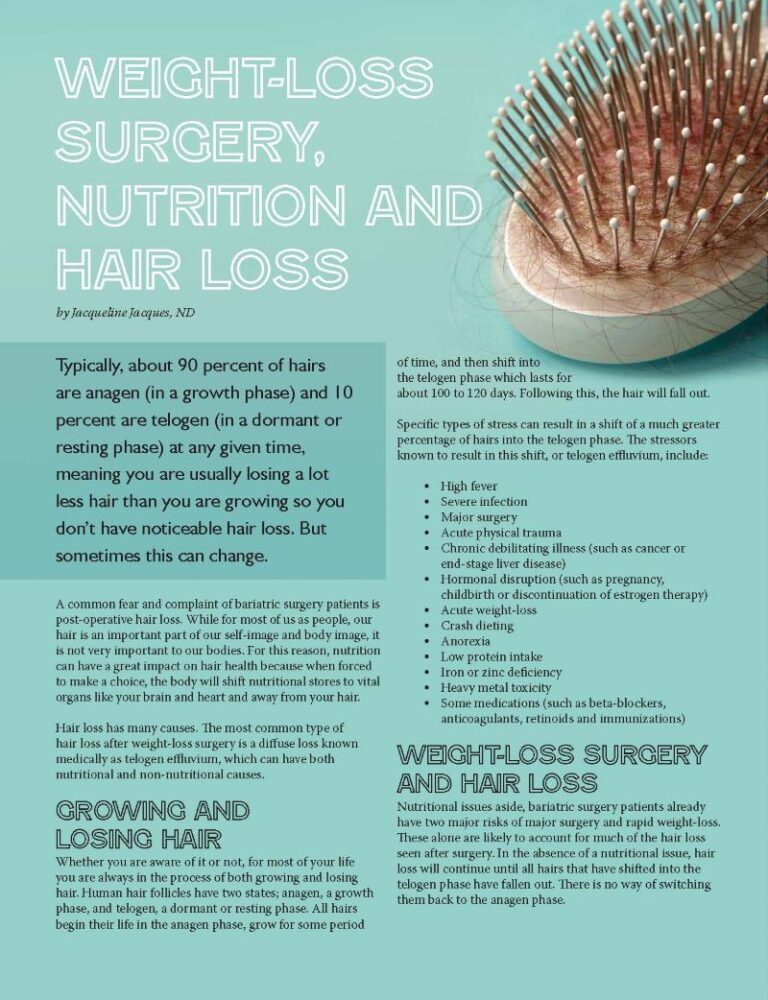
Hair growth is determined by the hair growth cycle, especially the growth phase known as the anagen phase. Each hair strand has a genetically set growth period. When this phase ends, hair stops growing and eventually sheds. If your anagen phase is shorter, your hair reaches a shorter maximum length.
Genetics Play the Biggest Role
Genetics are the primary reason hair stops growing at a certain length. Some people naturally have long anagen phases that last many years, allowing very long hair. Others have shorter growth phases, meaning hair sheds before it can grow longer. No product can change genetics, but good care helps reach your personal maximum length.
Hair Growth Continues but Breakage Hides It
In many cases, hair is still growing at the scalp, but breakage at the ends makes length appear stuck. Split ends, dryness, and weakness cause hair to break at the same rate it grows. This creates the illusion that hair has stopped growing.
Damage Weakens Hair Ends
Hair ends are the oldest and weakest part of the strand. Over time, they lose moisture and protein. Heat styling, chemical treatments, sun exposure, and rough handling damage the ends. When damage exceeds growth, length does not increase.
Lack of Moisture Causes Breakage
Dry hair is more prone to snapping. Without enough moisture, hair becomes brittle and fragile. Curly and wavy hair types lose moisture faster, making them more vulnerable to breakage before gaining length.
Protein Imbalance Affects Strength
Hair needs both moisture and protein. Too little protein weakens hair, while too much makes it stiff and prone to breakage. An imbalance leads to ends breaking before length becomes noticeable.
Poor Scalp Health Limits Growth Quality
Hair grows from the scalp, and poor scalp health affects strand quality. Inflammation, buildup, and poor circulation weaken new hair. Weak hair is more likely to break before reaching longer lengths.
Nutrient Deficiencies Slow Growth
Hair follicles require vitamins, minerals, and protein to produce strong hair. Deficiencies in iron, zinc, vitamin D, or protein result in thinner, weaker strands. Weak hair struggles to retain length.
Hormonal Factors Influence Hair Length
Hormones affect how long hair stays in the growth phase. Thyroid imbalance, stress hormones, and aging can shorten the growth cycle. This reduces maximum achievable length over time.
Aging Changes Hair Growth
As you age, the anagen phase naturally shortens. Hair grows slower and becomes finer. This is normal and explains why hair may not grow as long as it did earlier in life.
Frequent Trimming Does Not Stop Growth
Many believe trimming prevents hair from growing long. Trimming does not affect growth at the scalp. However, regular small trims remove split ends, reducing breakage and helping hair retain length over time.
Daily Habits That Cause Length Loss
Rough towel drying, tight hairstyles, aggressive brushing, and sleeping without protection cause mechanical damage. These habits snap hair ends and prevent visible length gain.
Heat Styling Limits Maximum Length
Frequent use of straighteners, curlers, and blow dryers damages the hair cuticle. Heat weakens strands and increases split ends. Reducing heat use helps preserve length.
Chemical Treatments Increase Breakage
Coloring, relaxing, and perming weaken hair structure. Chemically treated hair often breaks faster than untreated hair, making long length harder to achieve.
Hair Type and Texture Matter
Fine hair breaks more easily than coarse hair. Curly hair appears shorter due to shrinkage and dryness. Different hair types reach different visible lengths even with similar growth rates.
Stress Can Shorten the Growth Phase
Chronic stress pushes hair into the resting phase earlier. This reduces overall growth time and increases shedding. Managing stress supports longer growth cycles.
How to Help Hair Grow Longer
Focus on length retention rather than speed. Moisturize regularly, seal ends, and reduce damage. Gentle handling and protective styles help hair keep the length it grows.
Importance of Scalp Care
A clean, healthy scalp supports strong hair growth. Gentle cleansing and massage improve circulation. Healthy follicles produce stronger strands that resist breakage.
Nutrition Supports Length Retention
Balanced nutrition strengthens hair from within. Protein, iron, healthy fats, and vitamins support thicker strands that survive long enough to grow longer.
Patience Is Essential
Hair grows slowly, about one centimeter per month. Visible length changes take time. Consistent care over months produces results that quick fixes cannot.
Final Thoughts
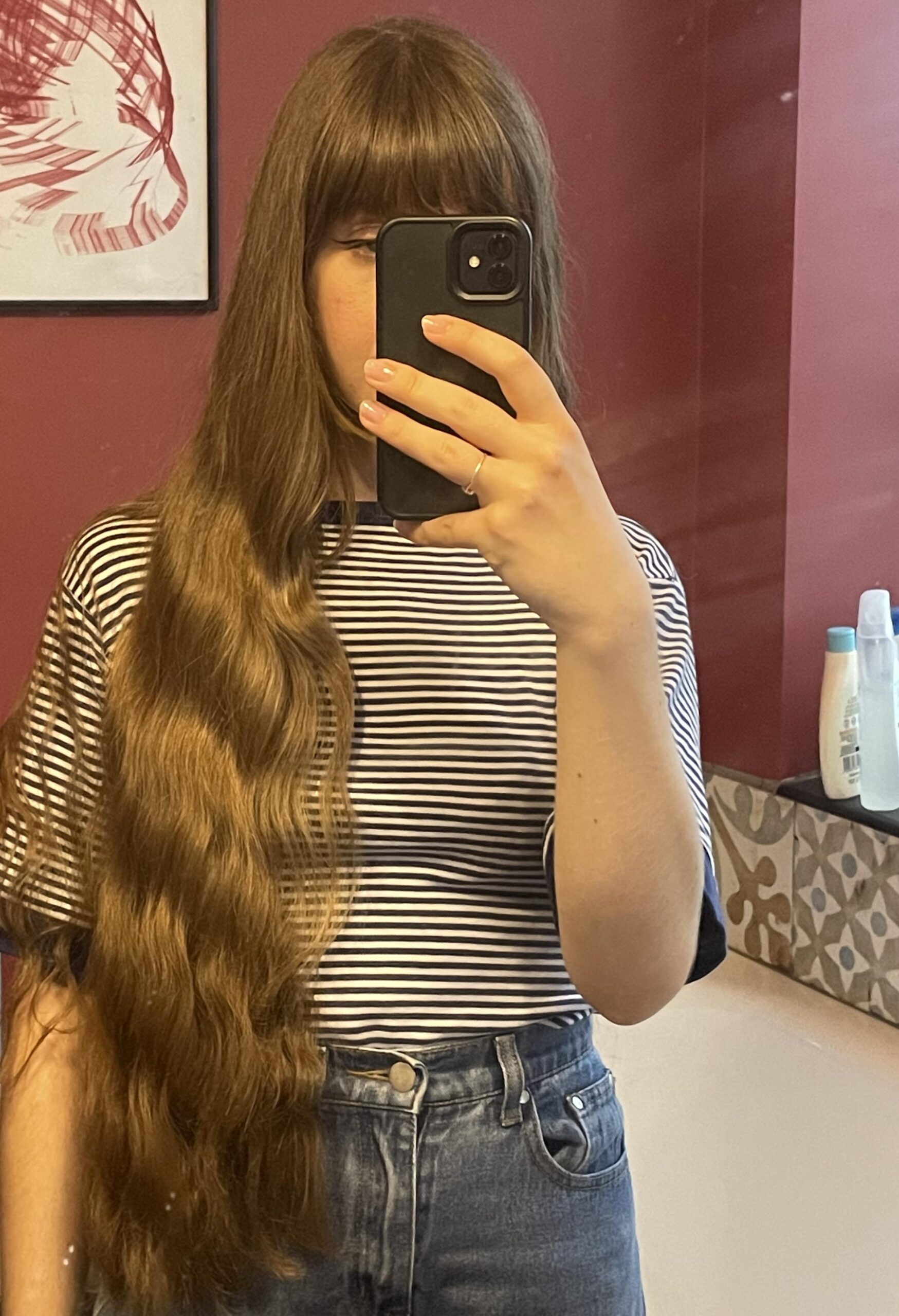
Hair does not truly stop growing at a certain length. Genetics determine maximum potential, while breakage, damage, and lifestyle habits determine whether you reach it. By focusing on hair health, moisture, nutrition, and gentle care, you can achieve the longest, healthiest hair your body is capable of growing naturally.