Oily Scalp vs Dry Scalp: Which Causes Hair Loss
Hair loss often begins at the scalp, yet many people focus only on hair strands and products. One of the most ignored factors behind hair fall is scalp type. An oily scalp and a dry scalp affect hair growth in very different ways. Understanding which scalp condition you have and how it contributes to hair loss is essential for choosing the right treatment and preventing further damage.
Why Scalp Health Matters for Hair Growth
Hair grows from follicles embedded in the scalp. When the scalp environment is unhealthy, follicles weaken and hair growth slows. Excess oil or extreme dryness both disturb the natural balance needed for strong hair. Healthy hair always starts with a healthy scalp.
What Is an Oily Scalp
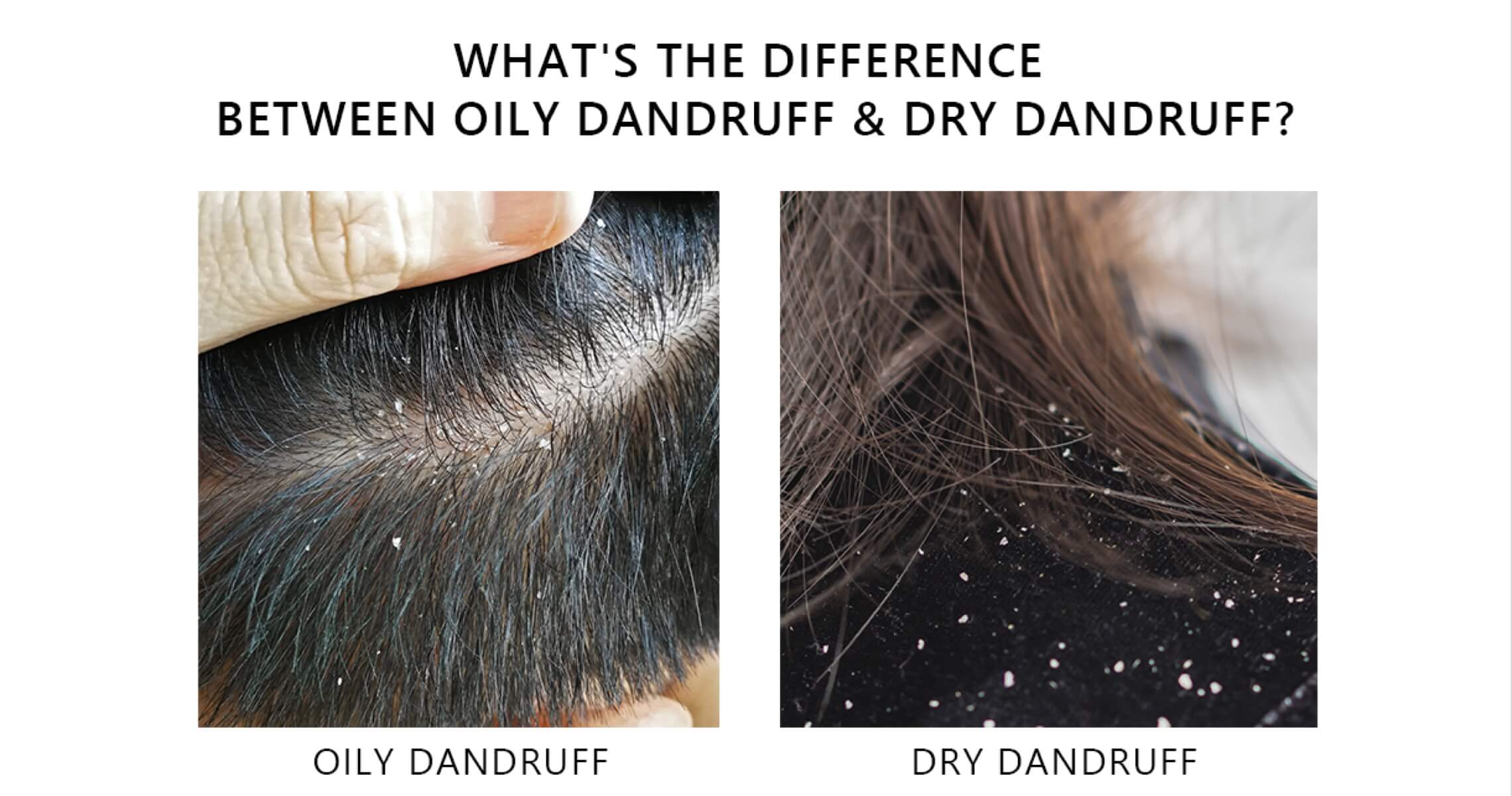
An oily scalp produces excess sebum from overactive sebaceous glands. Sebum is a natural oil meant to protect the scalp, but too much of it creates problems. Oily scalps often look greasy within a day of washing and may attract dirt easily.
Causes of an Oily Scalp
Hormonal imbalance is a major cause of oily scalp. Genetics also play a role. Using harsh shampoos, frequent washing, stress, and humid weather can increase oil production. Ironically, overwashing strips natural oils and signals the scalp to produce even more oil.
How an Oily Scalp Leads to Hair Loss
Excess oil clogs hair follicles and traps dirt, sweat, and product buildup. This blocks oxygen and nutrients from reaching the roots. Over time, follicles weaken and hair shedding increases. Oily scalp also encourages dandruff and fungal growth, which further damages follicles.
Signs of Hair Loss from Oily Scalp
Common signs include greasy roots, flat hair, itchy scalp, dandruff, and increased hair fall during washing. Hair may feel heavy and limp. Scalp acne or small bumps can also appear, indicating blocked follicles.
What Is a Dry Scalp
A dry scalp lacks sufficient moisture and natural oils. It often feels tight, itchy, and flaky. Unlike dandruff caused by oil, dry scalp flakes are small, white, and powdery. Dry scalp is more common in cold weather and dry climates.
Causes of a Dry Scalp
Dry scalp can result from dehydration, harsh hair products, frequent washing, hot water, and nutritional deficiencies. Skin conditions and aging also reduce natural oil production. Excessive heat styling worsens dryness over time.
How a Dry Scalp Causes Hair Loss
A dry scalp creates a weak foundation for hair growth. Lack of moisture makes the scalp irritated and inflamed. Hair follicles become fragile, leading to breakage and shedding. Scratching due to itching further damages roots and increases hair fall.
Signs of Hair Loss from Dry Scalp
Dryness related hair loss shows as itching, tightness, flaking, dull hair, and increased breakage. Hair may snap easily and feel rough. Unlike oily scalp, hair does not look greasy but lacks shine and softness.
Oily Scalp vs Dry Scalp Hair Loss Differences
Hair loss from oily scalp is usually linked to clogged follicles and scalp infections. Hair loss from dry scalp is more related to breakage and weakened roots due to irritation. Both conditions cause shedding, but the underlying reasons differ.
Which Scalp Type Causes More Hair Loss
Neither scalp type is better or worse. Both can cause hair loss if not managed properly. Oily scalp hair loss is often gradual and linked to buildup, while dry scalp hair loss may appear sudden due to breakage and irritation.
How to Identify Your Scalp Type
Observe your scalp one day after washing. If it feels greasy and itchy, it is likely oily. If it feels tight, flaky, or itchy without oil, it is likely dry. Proper identification prevents using the wrong products that worsen hair fall.
Treatment for Oily Scalp Hair Loss
Use gentle, sulfate free shampoos and avoid daily washing. Keep the scalp clean but not stripped. Avoid heavy oils on the scalp. Manage stress and avoid excessive styling products that cause buildup.
Treatment for Dry Scalp Hair Loss
Hydration is key for dry scalp. Use mild shampoos, avoid hot water, and moisturize the scalp with light oils or conditioners. Improve water intake and include healthy fats in your diet to support natural oil production.
Diet and Scalp Health
Nutrition affects scalp condition. Oily scalp may worsen with excessive junk food and sugar. Dry scalp improves with omega fatty acids, vitamins, and hydration. Balanced nutrition supports scalp balance and hair growth.
Common Mistakes People Make
Many people treat oily scalp with harsh products and dry scalp with frequent washing. These mistakes worsen hair loss. Treating the scalp gently and consistently is more effective than aggressive routines.
How Long It Takes to See Improvement
Scalp balance takes time. Reduced itching and shedding may appear within weeks, but visible hair improvement takes months. Consistency matters more than quick fixes.
When to Seek Professional Help
If hair loss continues despite proper care, consult a professional. Scalp infections, hormonal issues, or skin conditions may require targeted treatment beyond home care.
Prevention Tips for Both Scalp Types
Avoid harsh products, reduce heat styling, manage stress, and maintain a balanced diet. Regular scalp care prevents both dryness and oil imbalance before hair loss begins.
Final Thoughts
Both oily scalp and dry scalp can cause hair loss, but for different reasons. Identifying your scalp type is the foundation of effective treatment. When the scalp is balanced, hair follicles strengthen and shedding reduces naturally. Healthy scalp care is not optional, it is essential for long term hair growth and hair loss prevention.