Hair Fall Due to Vitamin Deficiency: Complete Guide
Hair fall is one of the most common concerns for both men and women today. While stress, genetics, and hair care habits play a role, vitamin deficiency is a major and often overlooked cause. When your body lacks essential vitamins, hair growth slows down, strands become weak, and excessive shedding begins. Understanding which vitamin deficiencies cause hair fall is the first step toward effective recovery.
How Vitamin Deficiency Affects Hair Growth
Hair follicles are highly active and require constant nourishment. Vitamins support cell growth, blood circulation, and keratin production. When vitamins are deficient, the body prioritizes vital organs over hair. As a result, hair growth stops, strands thin out, and shedding increases significantly.
Vitamin D Deficiency and Hair Fall
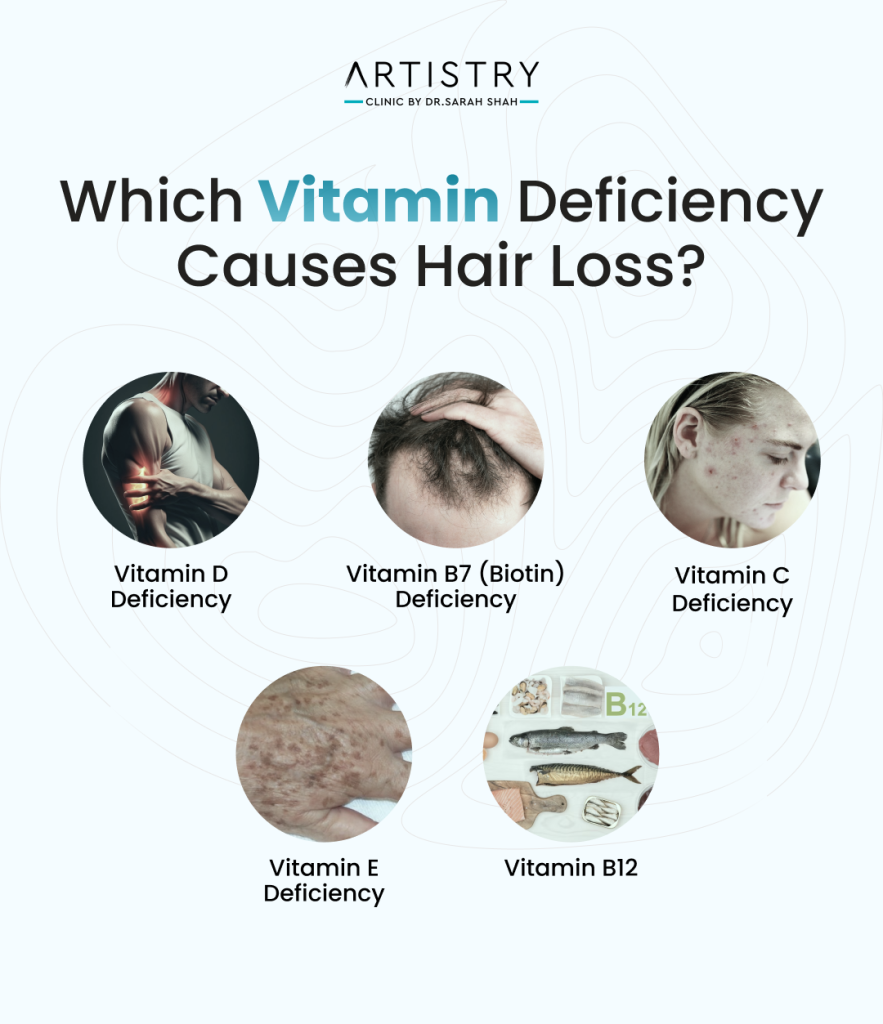
Vitamin D plays a key role in creating new hair follicles. Low levels of vitamin D are linked to hair thinning and excessive hair fall. People who get little sunlight or spend most time indoors are at higher risk. Vitamin D deficiency can also weaken existing follicles, making hair fragile.
Vitamin B12 Deficiency and Hair Loss
Vitamin B12 supports red blood cell production, which carries oxygen to the scalp. When B12 levels are low, hair follicles do not receive enough oxygen. This leads to weak roots, slow growth, and increased shedding. Vegetarians and people with poor digestion are more likely to develop this deficiency.
Biotin Deficiency and Weak Hair
Biotin, also known as vitamin B7, is essential for keratin production. Keratin is the main structural protein in hair. Biotin deficiency causes hair to become brittle, thin, and prone to breakage. Although severe deficiency is rare, low intake can still affect hair strength.
Vitamin A Deficiency and Scalp Health
Vitamin A supports scalp hydration and sebum production. Low levels cause a dry scalp, itching, and dull hair. However, excessive vitamin A can also cause hair fall. Balance is critical, as both deficiency and excess negatively affect hair growth.
Vitamin C Deficiency and Hair Breakage
Vitamin C helps in collagen production and iron absorption. Collagen strengthens hair structure, while iron supports oxygen delivery. Without enough vitamin C, hair becomes weak and breaks easily. Deficiency may also slow down hair growth over time.
Vitamin E Deficiency and Poor Circulation
Vitamin E is a powerful antioxidant that improves blood circulation to the scalp. Poor circulation weakens hair follicles and slows growth. Low vitamin E levels reduce scalp nourishment, leading to dull, lifeless hair and increased hair fall.
Iron Deficiency and Hair Shedding
Although not a vitamin, iron deficiency is closely linked to vitamin related hair loss. Iron supports oxygen supply to hair follicles. Low iron levels cause excessive shedding, especially in women. Hair fall often increases during combing or washing when iron levels are low.
Signs Hair Fall Is Caused by Vitamin Deficiency
Common signs include sudden hair shedding, thinning at the crown, weak strands, slow growth, dry scalp, and brittle hair. You may also experience fatigue, pale skin, dizziness, or weakness, which indicate nutrient deficiencies affecting the whole body.
Who Is at Risk of Vitamin Deficiency
People with poor diets, digestive issues, frequent dieting, stress, or limited sun exposure are at higher risk. Vegetarians, vegans, pregnant women, and individuals with medical conditions often lack key vitamins needed for hair growth.
How to Confirm Vitamin Deficiency
Blood tests are the most reliable way to identify vitamin deficiencies. Self diagnosing can be misleading. If hair fall is severe or sudden, medical testing helps target the exact cause and prevents unnecessary supplementation.
Best Food Sources to Prevent Hair Loss
Eating a balanced diet supports hair health naturally. Eggs, dairy, leafy greens, citrus fruits, nuts, seeds, fish, whole grains, and legumes provide essential vitamins. Consistent nutrition is more effective than temporary supplements.
Should You Take Hair Supplements
Supplements can help when deficiencies are confirmed. However, taking supplements without need can be harmful. Excessive intake of certain vitamins worsens hair fall. Supplements should support diet, not replace it.
Lifestyle Habits That Improve Vitamin Absorption
Proper sleep, hydration, stress control, and gut health improve vitamin absorption. Smoking, excessive caffeine, and alcohol reduce nutrient availability. Healthy habits enhance the effect of vitamins on hair growth.
How Long It Takes to See Improvement
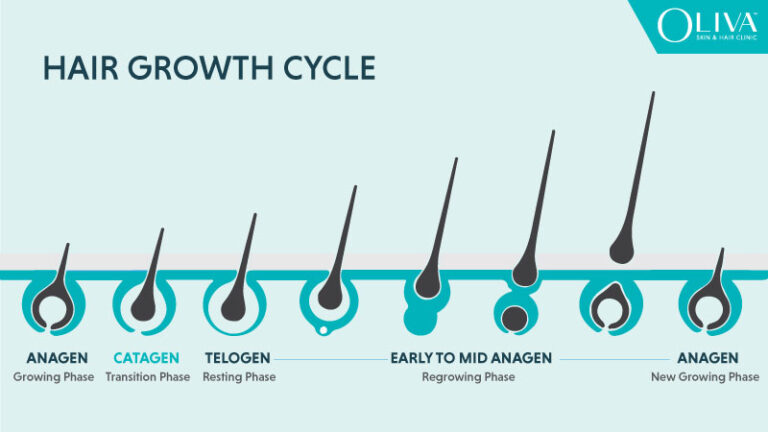
Hair regrowth after correcting deficiencies takes time. Reduced shedding may appear within a few weeks, but visible regrowth can take three to six months. Patience and consistency are essential for recovery.
Common Mistakes People Make
Many people change products instead of fixing nutrition. Others expect instant results or overuse supplements. Ignoring medical advice and following random remedies delays progress.
When Hair Fall Is Not Vitamin Related
Genetics, hormonal imbalance, stress, and scalp conditions can also cause hair loss. If hair fall continues despite correcting deficiencies, further evaluation is needed.
Building a Long Term Hair Nutrition Plan
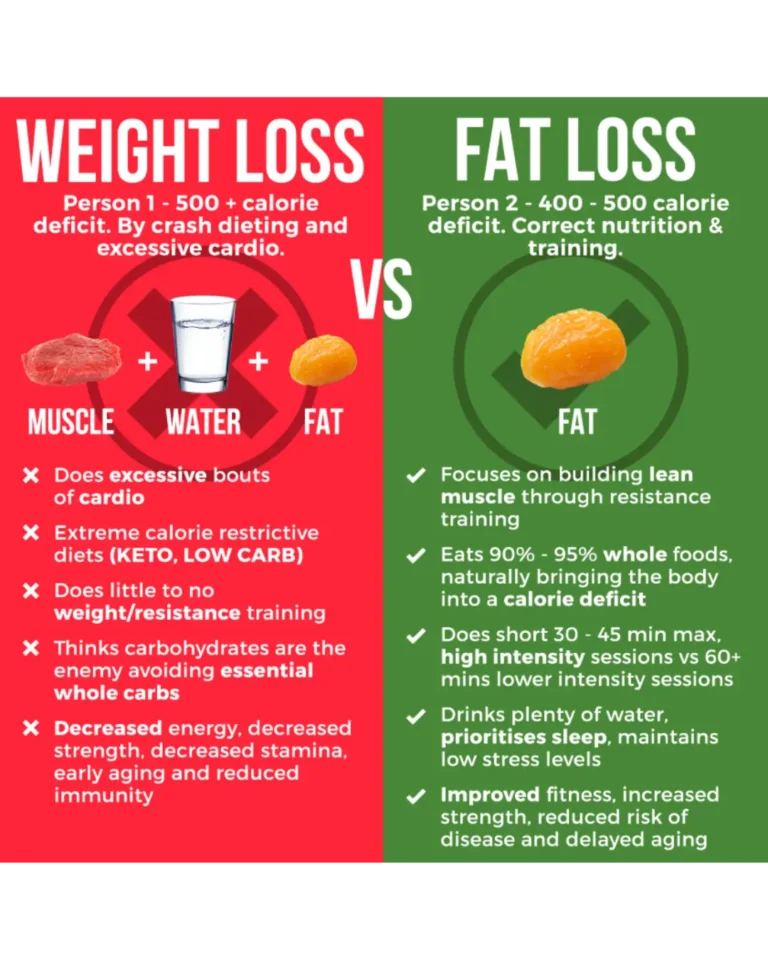
Focus on whole foods, balanced meals, and consistent habits. Avoid crash dieting and extreme restrictions. Hair health reflects overall health and improves with long term care.
Prevention Is Better Than Cure
Maintaining proper vitamin levels prevents hair fall before it starts. Regular sunlight exposure, nutrient rich foods, and healthy routines protect hair follicles and support growth naturally.
Final Thoughts
Vitamin deficiency is a common but reversible cause of hair fall. Identifying the right deficiency and correcting it through diet, lifestyle, and medical guidance restores hair strength over time. Hair growth does not improve overnight, but with patience and proper nourishment, healthy hair returns gradually and sustainably.