Weight Loss for People With Slow Metabolism
Many people believe they cannot lose weight because they have a slow metabolism. While metabolism does affect how your body uses energy, it does not make weight loss impossible. A slow metabolism simply means your body burns fewer calories at rest. With the right approach, fat loss is still achievable and sustainable.
What Slow Metabolism Really Means
Metabolism refers to the chemical processes that convert food into energy. A slow metabolism means your body uses energy more efficiently and burns fewer calories during rest and daily activity. This can be influenced by genetics, age, muscle mass, hormones, and lifestyle habits.
Common Causes of Slow Metabolism
Muscle loss is one major cause of slow metabolism. Muscle tissue burns more calories than fat, even at rest. Aging also reduces metabolic rate, especially after thirty. Hormonal imbalances, poor sleep, chronic stress, and repeated crash dieting further slow metabolism over time.
Signs You May Have a Slow Metabolism
People with slow metabolism often gain weight easily, struggle to lose fat, feel tired frequently, and experience cold sensitivity. Weight loss plateaus are common even with dieting. These signs indicate the body is conserving energy rather than burning it freely.
Why Extreme Dieting Makes It Worse
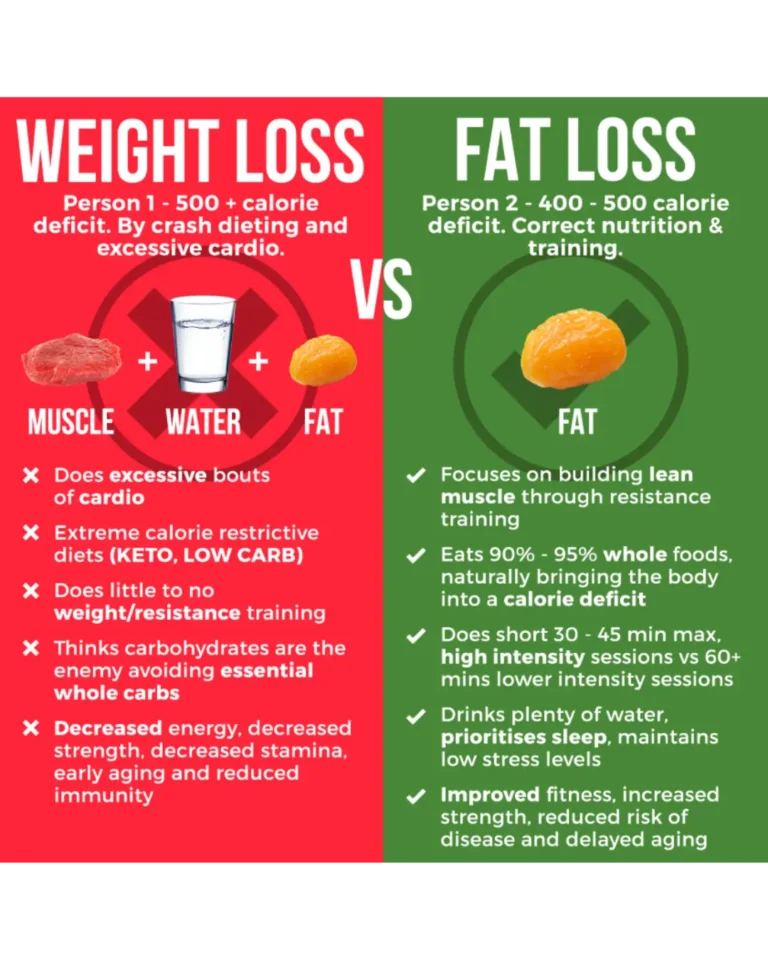
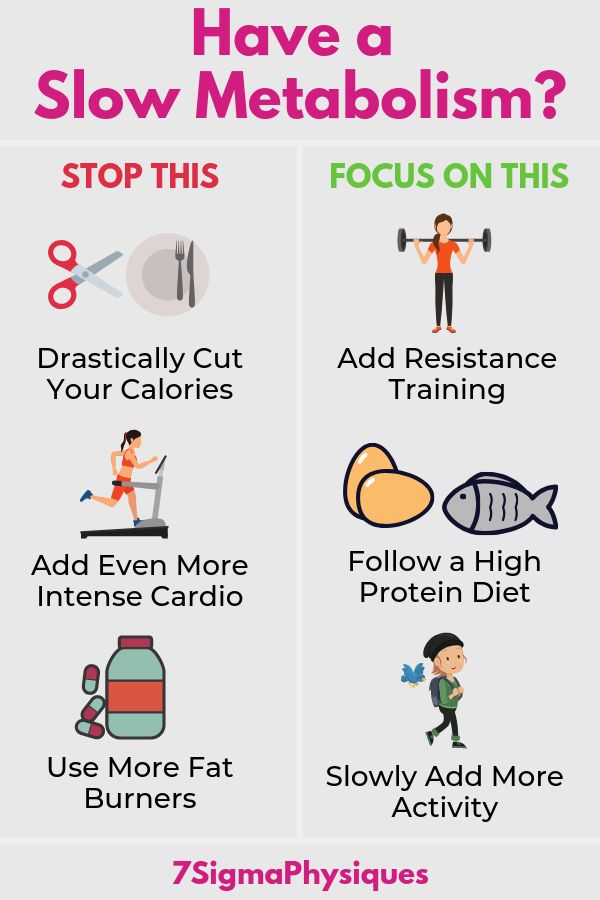
Severely cutting calories may seem logical, but it backfires for slow metabolism. Extreme restriction signals starvation, forcing the body to conserve energy. Metabolism slows further, muscle loss increases, and fat loss becomes harder. This creates a cycle of dieting and regain.
Importance of Muscle for Metabolism
Muscle is the engine of metabolism. The more muscle you have, the more calories you burn daily. Strength training stimulates muscle growth and raises metabolic rate over time. Even small increases in muscle significantly improve fat burning.
Protein Intake and Metabolic Speed
Protein requires more energy to digest than carbohydrates or fats. This increases calorie burning through the thermic effect of food. Adequate protein also prevents muscle loss during weight loss. Including protein in every meal supports metabolism naturally.
Eating Too Little Slows Progress
Under eating causes the body to adapt by lowering energy expenditure. Many people with slow metabolism eat too little for long periods. Increasing calories slightly while improving food quality can actually restart fat loss by supporting hormonal balance and muscle maintenance.
Meal Timing and Metabolism
Irregular eating patterns disrupt metabolism. Skipping meals increases hunger and overeating later. Consistent meal timing stabilizes blood sugar and supports energy use. Regular meals help the body feel safe enough to burn fat.
Strength Training Over Cardio
Endless cardio burns calories short term but can worsen metabolic slowdown if overdone. Strength training builds muscle and improves insulin sensitivity. A combination of resistance training and light cardio is ideal for slow metabolism.
Daily Movement Matters
Non exercise activity like walking, standing, cleaning, and stretching increases calorie burn without stressing the body. This daily movement adds up significantly. People with slow metabolism benefit greatly from staying active throughout the day.
Sleep and Metabolic Health
Poor sleep lowers metabolic rate and increases hunger hormones. Even with perfect diet and exercise, lack of sleep blocks fat loss. Seven to eight hours of quality sleep supports hormonal balance and energy expenditure.
Stress and Cortisol Effects
Chronic stress raises cortisol, which slows metabolism and promotes fat storage. Stress management is essential for people with slow metabolism. Relaxation techniques, breathing exercises, and realistic routines reduce cortisol levels.
Hydration and Digestion
Dehydration slows digestion and energy use. Drinking enough water supports metabolic processes and appetite control. Sometimes thirst is mistaken for hunger, leading to unnecessary calorie intake.
Hormonal Factors to Consider
Thyroid issues, insulin resistance, and other hormonal imbalances affect metabolism. If weight loss is impossible despite consistency, medical evaluation may be necessary. Treating underlying conditions can dramatically improve results.
Tracking Progress Beyond the Scale
Scale weight alone can be misleading. Slow metabolism weight loss often shows as body composition changes before scale changes. Measure waist size, strength, energy levels, and clothing fit to track real progress.
Setting Realistic Expectations
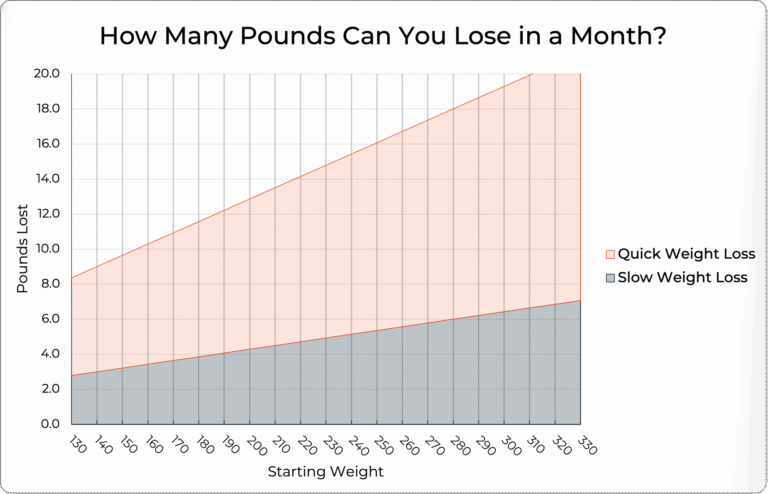
Weight loss with slow metabolism is slower but not impossible. Expect gradual progress instead of rapid changes. Patience prevents frustration and unhealthy dieting behaviors that worsen metabolism.
Building a Sustainable Plan
Focus on strength training, adequate protein, consistent meals, daily movement, stress reduction, and sleep. Avoid extreme calorie cuts. A supportive plan encourages fat loss without triggering metabolic defense mechanisms.
Mistakes to Avoid
Do not skip meals, overtrain, or rely on crash diets. Avoid comparing your progress to others. Each body responds differently. Consistency matters more than speed.
Long Term Metabolic Improvement
Over time, muscle gain, better sleep, balanced nutrition, and reduced stress gradually improve metabolic rate. These changes compound and make weight loss easier in the long run.
Final Thoughts
A slow metabolism is not a life sentence. It simply requires a smarter approach. By supporting your body instead of fighting it, fat loss becomes possible. Focus on muscle, nourishment, recovery, and patience. When metabolism feels supported, weight loss follows steadily and sustainably.