Weight Loss Plate Method for Daily Meals
Losing weight does not always require strict dieting, calorie counting, or cutting favorite foods. One of the simplest and most effective approaches is the weight loss plate method. This method focuses on portion balance rather than restriction, making it easier to follow daily without stress or confusion.
What Is the Plate Method
The plate method is a visual way to build balanced meals using a standard plate. Instead of weighing food or tracking calories, you divide your plate into sections. Each section represents a food group that supports fat loss, stable energy, and better digestion. This approach works for all cuisines and lifestyles.
Why the Plate Method Works
The plate method works because it naturally controls portions and balances nutrients. It prevents overeating without making you feel deprived. By prioritizing fiber and protein, it keeps you full for longer and reduces cravings. It also stabilizes blood sugar, which is essential for consistent fat loss.
The Ideal Plate Structure
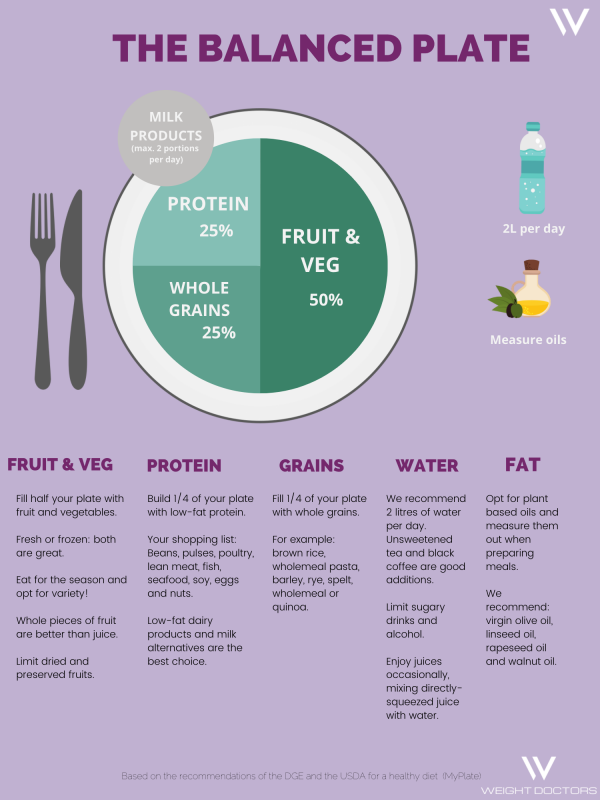
A weight loss plate is divided into three main parts. Half of the plate is filled with non starchy vegetables. One quarter is dedicated to protein sources. The remaining quarter is for carbohydrates. A small portion of healthy fats is added separately. This balance supports fat loss while providing complete nutrition.
Vegetables: The Largest Portion
Vegetables should cover half of your plate. They are low in calories and high in fiber, vitamins, and minerals. Vegetables add volume to meals, allowing you to eat more food with fewer calories. Options include leafy greens, cucumbers, tomatoes, cauliflower, cabbage, carrots, and peppers. The more colorful the vegetables, the better the nutrient variety.
Protein for Fat Burning
Protein occupies one quarter of the plate. It is essential for muscle preservation, metabolism, and hunger control. Protein also has a higher thermic effect, meaning your body burns more calories digesting it. Good protein choices include eggs, chicken, fish, lentils, beans, yogurt, tofu, and lean meat. Including protein in every meal improves weight loss results.
Carbohydrates in the Right Amount
Carbohydrates are not the enemy when portioned correctly. One quarter of the plate should include carbohydrates such as whole wheat roti, brown rice, basmati rice, quinoa, oats, or sweet potatoes. Choosing whole, minimally processed carbohydrates provides sustained energy and prevents blood sugar spikes that lead to fat storage.
Healthy Fats in Small Portions
Healthy fats are important for hormone balance and satiety. Instead of filling the plate, fats are added in small amounts. Examples include olive oil, mustard oil, ghee, nuts, seeds, or avocado. Even small quantities make meals more satisfying and reduce overeating later.
How the Plate Method Prevents Overeating
By visually limiting portions, the plate method prevents mindless eating. It encourages slower eating and better awareness of food choices. Because meals are balanced, hunger hormones stay regulated and snacking reduces naturally. This consistency leads to steady fat loss over time.
Using the Plate Method at Home
At home, use a regular sized plate instead of large dinner plates. Serve vegetables first, then protein, then carbohydrates. Avoid refilling the plate. Eating without distractions like phones or television improves portion awareness and satisfaction.
Eating Out with the Plate Method
When eating out, mentally divide your plate before starting. Prioritize vegetables and protein first. Reduce portion sizes of rice, bread, or fried foods. If portions are large, share meals or stop eating when satisfied instead of finishing everything.
Plate Method for Different Diets
The plate method works for vegetarian, vegan, and non vegetarian diets. Vegetarians can focus on lentils, beans, tofu, and dairy for protein. Non vegetarians can include eggs, chicken, and fish. The structure remains the same regardless of food preferences.
Common Mistakes to Avoid
One common mistake is filling the plate with starchy vegetables like potatoes instead of non starchy vegetables. Another mistake is skipping protein or adding too much oil. Overloading the carbohydrate section also reduces effectiveness. Balance is the key.
Meal Timing and Consistency
Using the plate method consistently for lunch and dinner produces the best results. Breakfast can also follow the same structure. Skipping meals or overeating later disrupts progress. Regular balanced meals keep metabolism stable.
Psychological Benefits of the Plate Method
This method reduces food anxiety and decision fatigue. You do not need to track numbers or follow complicated rules. The simplicity improves long term adherence and builds a healthier relationship with food.
Combining the Plate Method with Activity
While the plate method supports fat loss, combining it with daily movement improves results. Walking, strength training, and active routines enhance calorie burn and muscle maintenance. Food and movement work best together.
Long Term Sustainability
The plate method is not a temporary diet. It is a lifelong eating pattern that adapts to different goals. It allows flexibility while maintaining structure. This makes it ideal for long term weight management.
Final Thoughts
The weight loss plate method is a simple, practical, and sustainable approach to daily eating. By focusing on balance instead of restriction, it supports fat loss without stress. When practiced consistently, it improves portion control, nutrition, and overall health. Over time, weight loss becomes a natural result of better daily choices rather than constant struggle.