How Stress Stops Weight Loss and How to Fix It
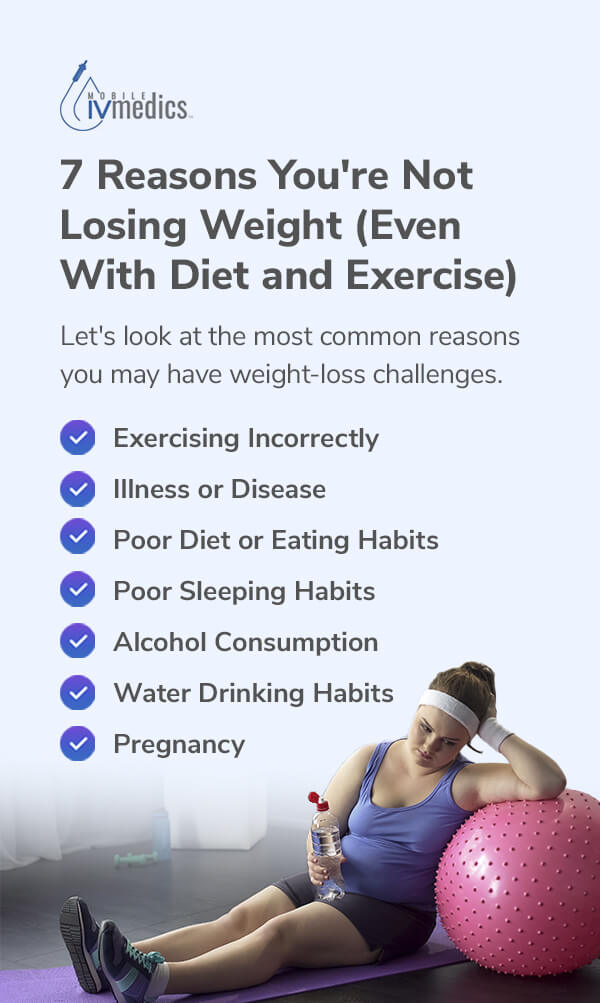
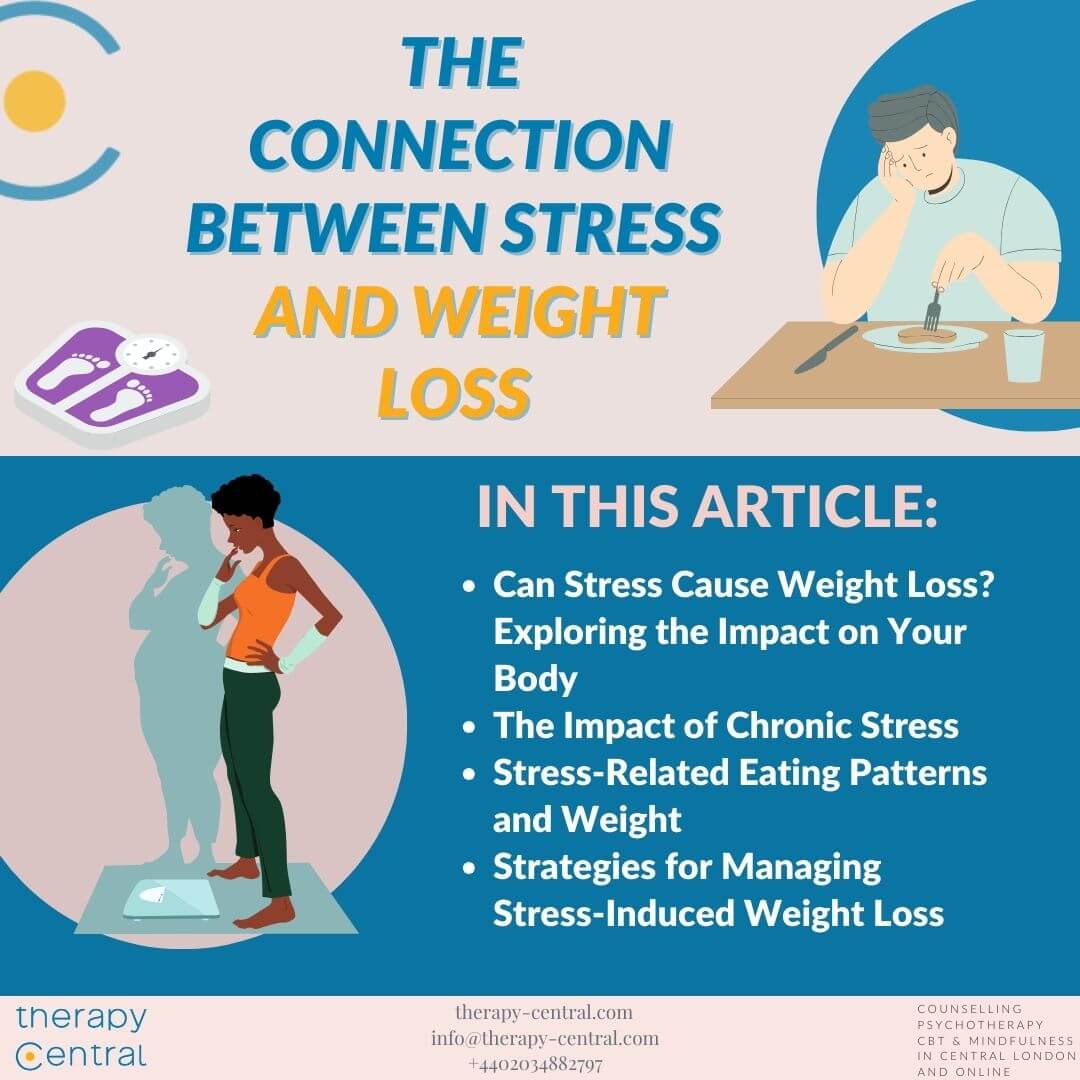
You can eat clean, count calories, and exercise regularly, yet still struggle to lose weight. One hidden factor often ignored is stress. Chronic stress affects your body in powerful ways that can completely block fat loss. Understanding how stress interferes with weight loss is essential if you want real and lasting results.
Stress Triggers Hormonal Imbalance
When you are stressed, your body releases cortisol, a hormone designed to help you survive danger. In modern life, stress is constant rather than temporary. High cortisol levels signal the body to store energy, especially as fat. This response once protected humans from starvation but now works against weight loss goals.
Cortisol Encourages Fat Storage
Cortisol directly promotes fat storage, particularly around the abdomen. Belly fat cells have more cortisol receptors, making them more sensitive to stress hormones. Even with a calorie deficit, elevated cortisol can slow fat burning and redirect calories into storage instead of energy use.
Stress Increases Cravings and Hunger
Stress disrupts appetite regulating hormones. It increases hunger hormones while reducing signals that tell you when you are full. This leads to cravings for sugary, salty, and high calorie foods. Emotional eating becomes a coping mechanism, often without conscious awareness.
Poor Sleep Worsens the Problem
Stress and sleep are closely connected. High stress makes it harder to fall and stay asleep. Poor sleep further raises cortisol and increases hunger the next day. This cycle creates constant fatigue, reduced motivation, and poor food choices, making weight loss extremely difficult.
Stress Slows Digestion and Metabolism
Chronic stress diverts energy away from digestion and recovery. Digestion becomes less efficient, leading to bloating and nutrient imbalance. At the same time, metabolism slows down as the body focuses on survival rather than fat burning. This reduces the effectiveness of dieting.
Exercise Stress Can Backfire
Exercise is healthy, but too much intense training without recovery adds stress to the body. Excessive cardio, overtraining, or exercising while underfed can raise cortisol levels further. Instead of burning fat, the body holds onto it. Balanced training is essential.
Mental Stress Is as Powerful as Physical Stress
Work pressure, financial worries, emotional conflicts, and constant screen exposure all trigger stress responses. The body does not distinguish between physical danger and mental pressure. Long term mental stress keeps cortisol elevated even if diet and workouts are perfect.
Why Dieting Feels Harder Under Stress
Stress reduces willpower and decision making ability. This makes it harder to stick to meal plans or portion control. Stress also increases reward seeking behavior, pushing you toward comfort foods. This is not a lack of discipline but a biological response.
Signs Stress Is Blocking Your Weight Loss
Common signs include stubborn belly fat, constant fatigue, sugar cravings, poor sleep, bloating, and weight plateaus despite effort. Mood swings and low motivation are also indicators. Recognizing these signs helps you adjust your strategy instead of blaming yourself.
How to Reduce Stress for Weight Loss
Reducing stress does not require drastic lifestyle changes. Small, consistent habits can significantly lower cortisol levels. Improving sleep quality is the most powerful step. Aim for consistent sleep times and reduce screen exposure before bed.
Daily Relaxation Practices That Work
Simple practices like deep breathing, short walks, stretching, or quiet time can calm the nervous system. Even ten minutes of relaxation daily can lower stress hormones. These practices support weight loss indirectly by improving hormonal balance.
Adjust Your Exercise Strategy
Replace excessive cardio with balanced workouts. Strength training combined with light to moderate cardio supports fat loss without increasing stress. Include rest days and listen to your body. Recovery is as important as training.
Eat to Support Stress Hormones
Skipping meals and extreme calorie restriction increase stress. Eating regular, balanced meals stabilizes blood sugar and reduces cortisol spikes. Include protein, fiber, and healthy fats in meals. Avoid excessive caffeine and sugar, which worsen stress responses.
Improve Lifestyle Balance
Set realistic expectations and avoid perfectionism. Over scheduling and constant pressure increase stress silently. Allow flexibility in routines and focus on progress, not perfection. Weight loss improves when the body feels safe and supported.
Mindset Shifts That Lower Stress
View weight loss as a long term process rather than a race. Accept plateaus as part of the journey. Replace self criticism with problem solving. A calmer mindset reduces emotional eating and improves consistency naturally.
Long Term Benefits of Stress Management
When stress is controlled, fat loss becomes easier. Sleep improves, cravings reduce, digestion stabilizes, and energy increases. The body shifts from survival mode to balance mode, allowing stored fat to be released gradually and sustainably.
Final Thoughts
Stress is not just an emotional issue. It is a biological barrier to weight loss. Ignoring stress while dieting is like driving with the brakes on. By addressing stress through better sleep, balanced exercise, mindful eating, and realistic expectations, you remove a major obstacle. When stress levels drop, your body responds positively, making weight loss smoother, healthier, and far more sustainable over time.