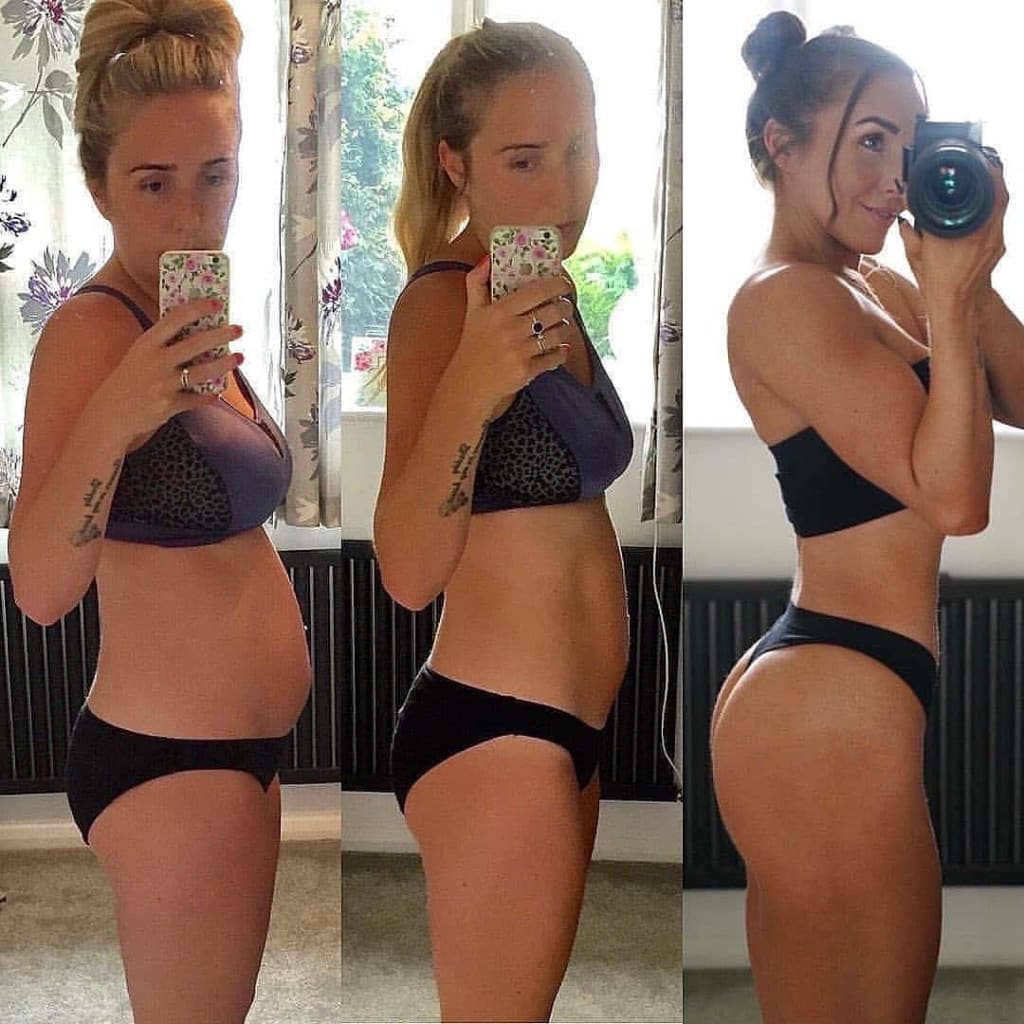
Weight Loss After 30: What Changes in Your Body
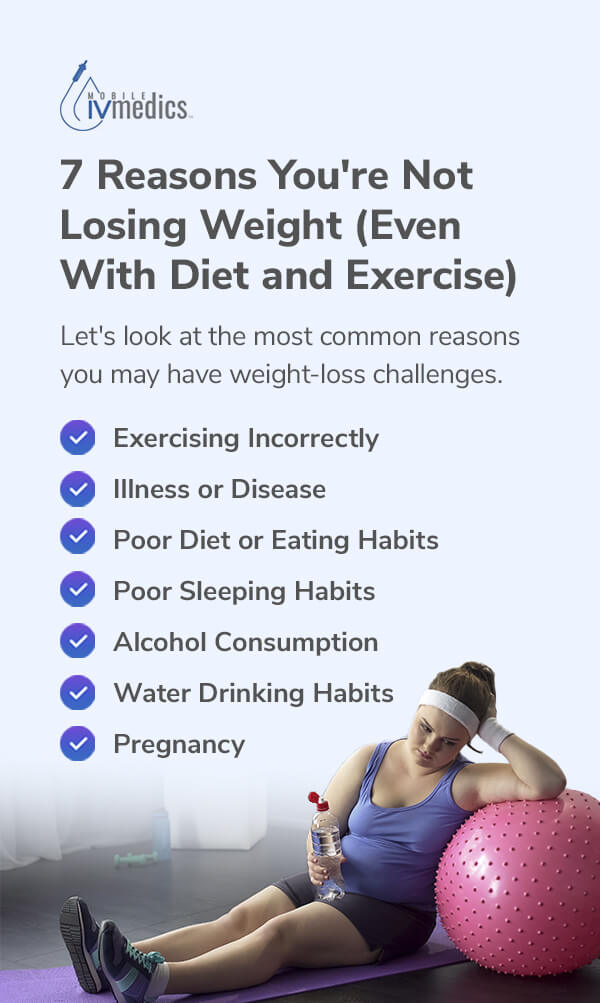
Turning thirty often brings a surprising realization. The weight you once lost easily now seems stubborn. Even with dieting and exercise, progress slows down. This happens because the body changes in subtle but powerful ways after thirty. Understanding these changes helps you adapt your strategy and lose weight in a healthier, more realistic way.
Metabolism Naturally Slows Down
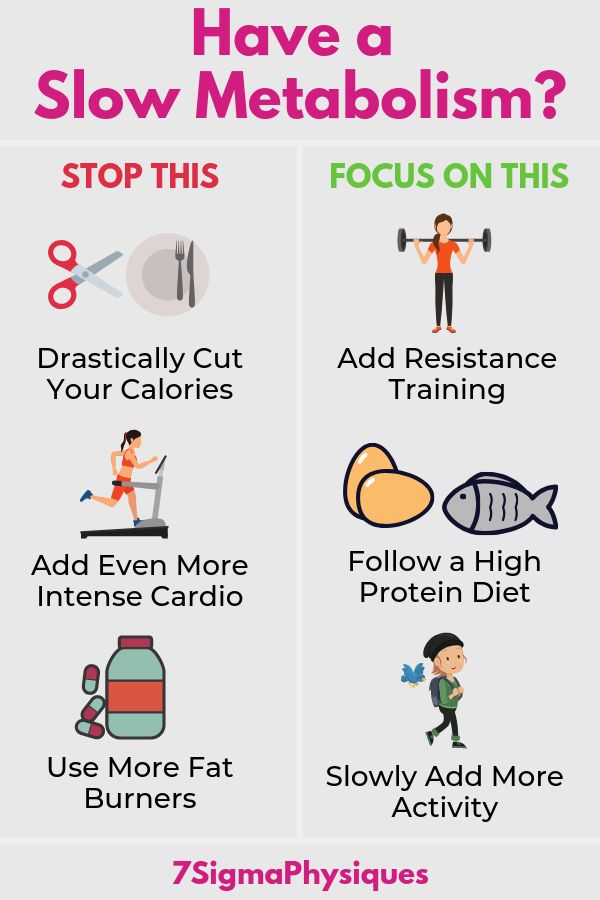
After the age of thirty, metabolism gradually decreases. This means your body burns fewer calories at rest than it did in your twenties. Muscle mass begins to decline if it is not actively maintained, and muscle is a key driver of calorie burning. With less muscle, the body needs fewer calories, making old eating habits less effective for weight control.
Hormonal Shifts Affect Fat Storage
Hormones play a major role in weight regulation. After thirty, levels of growth hormone and insulin sensitivity decrease. In women, estrogen fluctuations begin earlier than expected. In men, testosterone levels slowly decline. These hormonal changes encourage fat storage, especially around the abdomen, and make fat loss more challenging even with consistent dieting.
Muscle Loss Becomes Easier
Sarcopenia, or age related muscle loss, can begin in your thirties. Without strength training, muscle mass reduces each year. This lowers metabolic rate and weakens body composition. Losing weight without preserving muscle often leads to a softer appearance and faster regain. Strength focused movement becomes essential after thirty.
Recovery Takes Longer
The body does not recover as quickly from stress, workouts, or lack of sleep. Poor recovery raises cortisol levels, which promotes fat storage. Overtraining or extreme dieting that once worked may now backfire. Recovery, rest days, and quality sleep are no longer optional for weight loss success.
Insulin Sensitivity Decreases
Insulin helps move sugar from the blood into cells. After thirty, cells become less responsive to insulin, especially with sedentary lifestyles. This causes higher blood sugar and increased fat storage. Refined carbohydrates and sugary foods have a stronger negative impact than before, making dietary quality more important.
Lifestyle Responsibilities Increase
Work pressure, family duties, and mental stress increase after thirty. Time for exercise reduces and emotional eating becomes more common. Stress driven habits can silently cancel calorie deficits. Weight gain after thirty is often more about lifestyle imbalance than lack of discipline.
Digestive Efficiency Changes
Digestion slows slightly with age. Poor gut health can affect nutrient absorption, hunger signals, and inflammation. Highly processed foods cause more bloating and discomfort than before. Supporting digestion with fiber rich foods and hydration improves weight management.
Why Old Diets Stop Working
Crash diets and extreme calorie cuts may show short term results but cause rebound weight gain. The body becomes more protective of fat stores after repeated dieting. Sustainable approaches that support hormones and muscle preservation work better than aggressive restriction.
How to Lose Weight After 30 Effectively
The key to weight loss after thirty is working with your body instead of fighting it. Prioritize protein intake to protect muscle and control hunger. Include strength training at least three times per week to rebuild metabolism. Focus on daily movement like walking rather than only intense workouts.
Manage stress actively through sleep routines, breathing exercises, and realistic schedules. Reduce refined carbohydrates and focus on whole foods that stabilize blood sugar. Eat slowly and stop eating when satisfied instead of full. These habits support hormonal balance naturally.
Importance of Consistency Over Intensity
Consistency becomes more powerful than intensity after thirty. Small daily actions repeated over months produce better results than extreme efforts followed by burnout. A moderate calorie deficit maintained consistently leads to steady fat loss without harming health.
Measuring Progress Correctly
Scale weight fluctuates due to hormones and water retention. After thirty, progress should be measured using waist size, strength levels, energy, and how clothes fit. These indicators reflect true fat loss better than numbers alone.
Building a Long Term Strategy
Weight loss after thirty is not about speed. It is about sustainability. Choose routines you can maintain for years. Focus on strength, mobility, and energy rather than just appearance. A flexible plan that adapts to life changes produces lasting results.
Final Thoughts
Your body after thirty is not broken. It is simply different. With the right understanding and adjusted habits, weight loss is absolutely possible. Respect recovery, protect muscle, manage stress, and focus on long term health. When you align your strategy with your body’s needs, progress becomes steady, realistic, and sustainable for life.